Do Dairy Digesters Actually Pencil, or Only the Ones Wired Into California's LCFS?
A dairy digester earns most of its money from LCFS credits, not gas. Where manure-to-RNG economics actually pencil, and where the credit crash bites.
Read article →Topic
41 articles tagged with this topic. Latest first.

A dairy digester earns most of its money from LCFS credits, not gas. Where manure-to-RNG economics actually pencil, and where the credit crash bites.
Read article →
WIN Waste is retiring Hudson Falls, not retrofitting it for the 2026 EPA combustor rule. The retire-vs-retrofit math for an aging waste-to-energy fleet, from the floor.
Read article →
The 76% C&D waste recovery rate is mostly crushed concrete. The wood and gypsum that need a robot and a buyer are where diversion quietly falls apart.
Read article →
DOE's $6.9M WASTE program funds community waste-to-energy feasibility studies, not reactors. Why the front-end analysis, not technology, decides bankability.
Read article →
Waste-to-energy district heating barely exists in the US, and it isn't the climate. It's that the heat has no PPA a lender will finance against.
Read article →
Most buyers vet waste-to-energy plant manufacturers on technology. After three commissionings, I vet the availability guarantee and the reference plant instead.
Read article →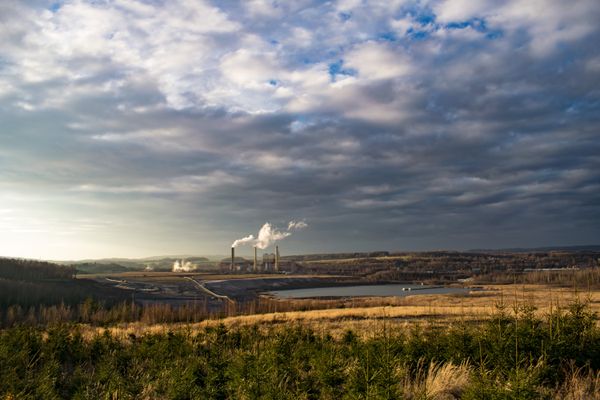
The scrubber strips acid gas; activated carbon and the baghouse catch waste to energy dioxins. What modern flue gas treatment really removes, myth by myth.
Read article →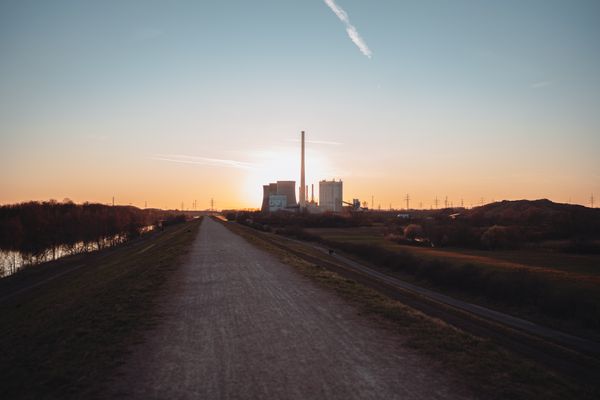
The clean electricity tax credit turns on a zero-emissions line, not on whether waste is renewable. What 45Y and 48E actually cover for waste in 2026.
Read article →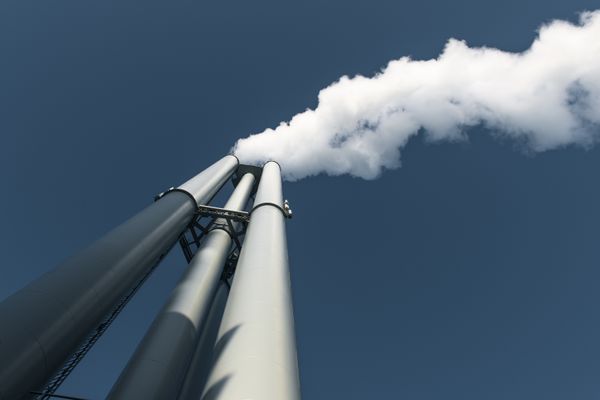
Waste-to-energy ash disposal is a quarter of the input mass, and most US plants still landfill it. Bottom ash reuse and fly ash treatment decide the pro forma.
Read article →
Waste-to-energy REC eligibility died in Maryland's Tier 1 by statute, not economics. Why the REC was never an asset, and what to underwrite instead.
Read article →
Modular waste processing erects in four months, then waits years on an interconnection queue. Why the second module never lands, and what to sell instead.
Read article →
US waste-to-energy economics from the public EIA numbers: the gate fee is worth several times the power per ton. Underwrite the tipping fee.
Read article →
Textile waste to energy looks easy: clothing burns hotter than MSW. The energy was never the problem. The bale, the chlorine, and the broken sort are.
Read article →
A waste to energy power plant makes about 550 kWh a tonne, but the turbine isn't what decides that. An engineer walks the line from bunker to export meter.
Read article →
Waste to energy data centers sound like baseload for the AI boom, until you run the megawatts. What a 34 MW plant can and can't feed, and where it fits.
Read article →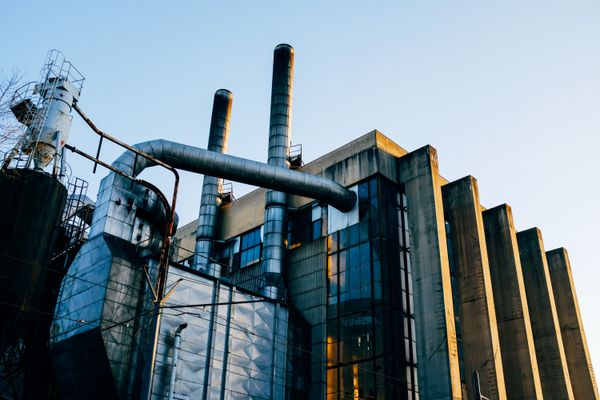
Waste-to-energy in India keeps stalling, and the boiler isn't why. Delhi's plants take 5,600 tonnes a day; barely 1,100 will burn. The fix is upstream.
Read article →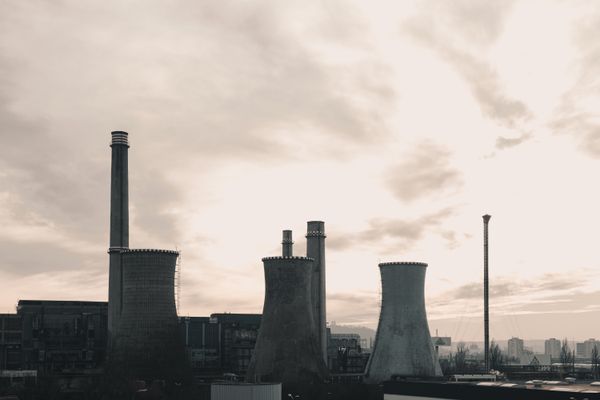
Most waste-to-energy solutions fail because the technology gets picked before the feedstock is measured. Here's how moisture and calorific value decide the box.
Read article →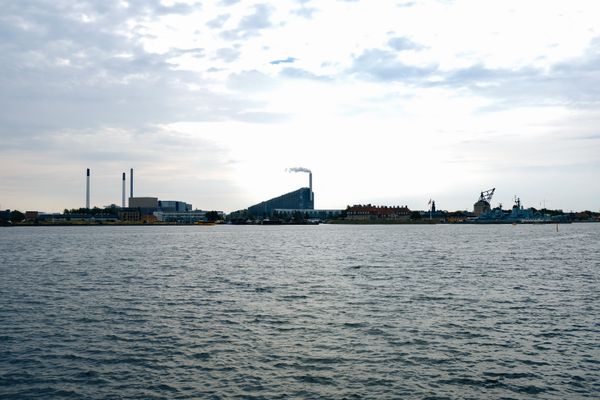
Carbon capture energy from waste pencils at Encyclis Protos because of the HyNet cluster and a state contract, not cheaper capture. Here's the retrofit math.
Read article →
EU ETS waste incineration inclusion could add EUR 74-132 per tonne to gate fees by 2030. The biogenic share you can't defend is what sets your bill.
Read article →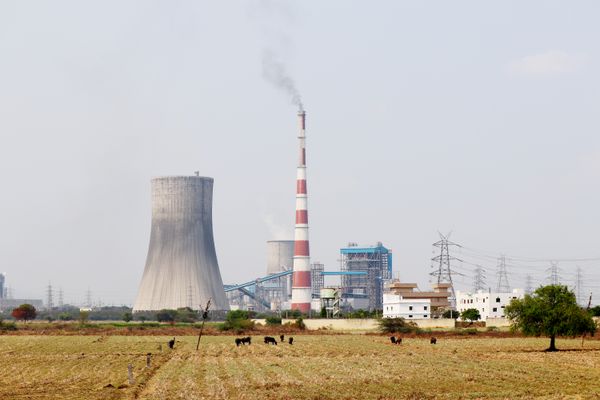
Waste to energy project finance sizes debt off the PPA. That's the wrong number: the tipping fee is the only contractual line. Here's how to underwrite it.
Read article →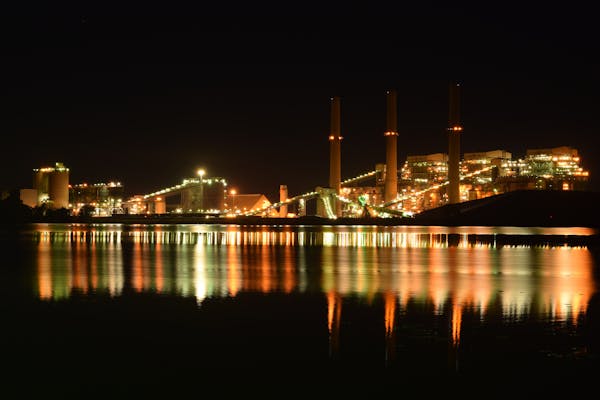
Waste to energy in Africa keeps underperforming, and Reppie shows why: plants built for dry European trash choke on wet, organic waste. Here's the real fix.
Read article →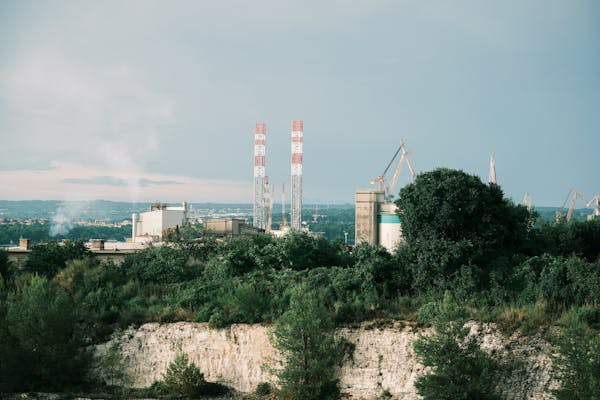
Carbon capture waste to energy economics hinge on the biogenic share, not the kWh. Why most WTE+CCS pro formas overstate by year three.
Read article →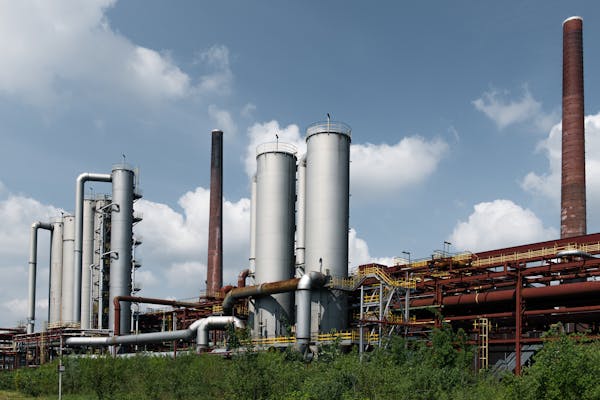
EPA's March 2026 final rule on waste-to-energy regulations: 152 units, 57 facilities, 0M retrofits. The real compliance window is 18 to 24 months, not five years.
Read article →
EPA's April 2026 PFAS guidance recognizes thermal destruction above 1,100°C, a temperature most municipal waste combustors miss. What operators must verify.
Read article →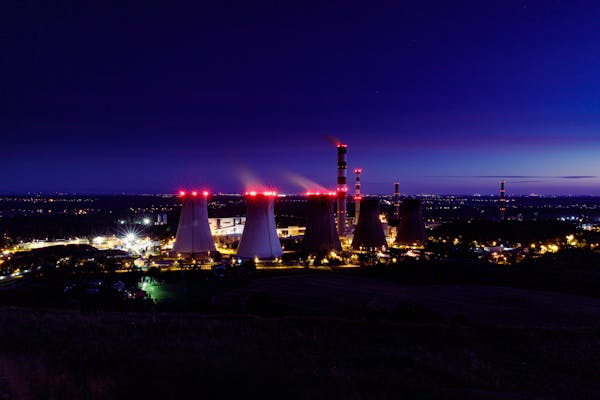
Waste-to-energy in Southeast Asia lives or dies on contract structure - see how Indonesia, Vietnam, and the Philippines each price the risk differently.
Read article →
Food waste to energy comes down to moisture and money: why anaerobic digestion beats pyrolysis on wet feedstock, and where the revenue actually sits.
Read article →
Directive 2026/470 cut CSRD datapoints 61%. For waste-to-energy operators, the simplification removes guardrails Article 9 lenders still demand.
Read article →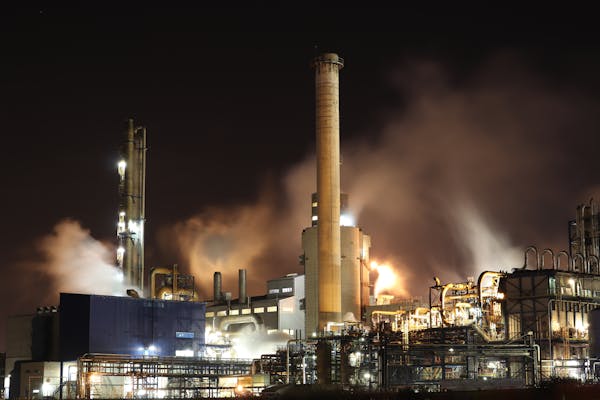
Inside waste to energy Middle East: Warsan's 30% efficiency, Saudi's 3 GW target, Sharjah's expansion, and where the project economics actually break.
Read article →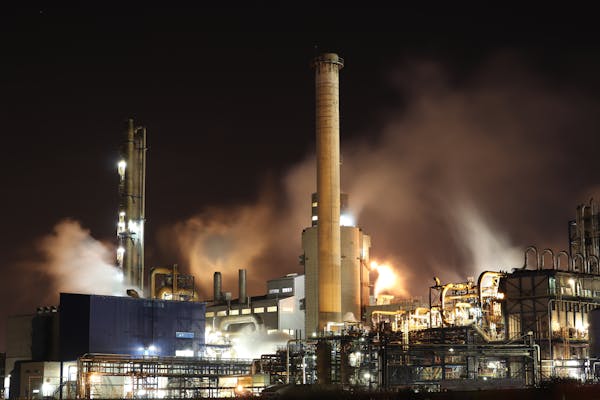
Thirty years on the buying side: what good waste to energy consulting looks like, the red flags that signal a doomed project, and when to fire the advisor.
Read article →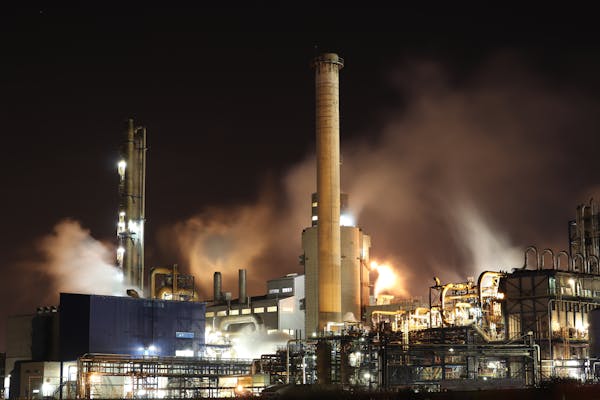
Urban waste recovery isn't the revenue project cities are sold. After twenty years and three plants, here's what the financial math actually shows.
Read article →
Inside ESG due diligence on waste-to-energy projects: five claims that fail verification under EU Taxonomy, IFC Performance Standards, and Article 9 funds.
Read article →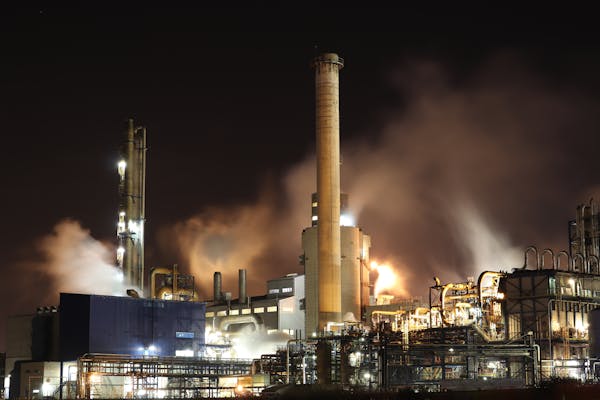
Renewable waste expertise is mostly knowing which conversion technologies to reject. Here are the seven failure modes I check before endorsing any system.
Read article →
Four persistent myths about waste conversion systems - and the engineering data that disproves them. A process engineer's field perspective.
Read article →
How waste intelligence software uses sensor fusion and AI to predict feedstock composition and drive real-time process control at WTE facilities.
Read article →
Latin America produces 540,000 tonnes of waste daily. Here's why infrastructure fails and the modular approaches finally gaining traction in the region.
Read article →
Learn how waste-to-energy operators generate carbon credits worth $15-80 per ton CO2 avoided. Practical guide to verification, methodologies, and revenue.
Read article →
What waste-to-energy plants cost to build and operate, how revenue from tipping fees, syngas, fuel sales, and carbon credits drives ROI, and what determines project economics.
Read article →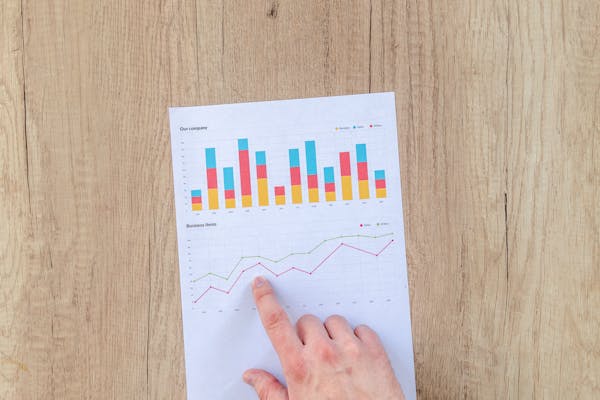
WTE market trends for 2026: AI integration, modular deployment, carbon credit monetization, and regional growth dynamics shaping the $50B industry.
Read article →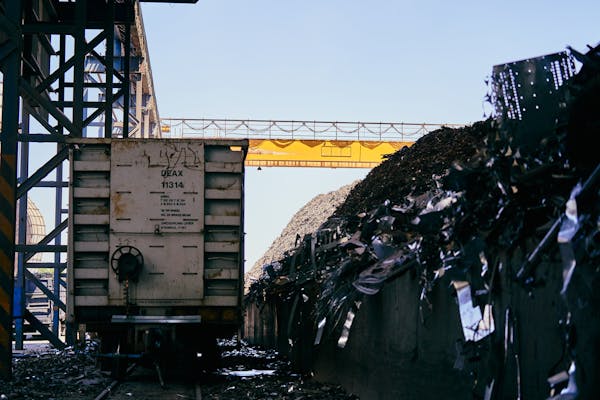
Why waste-to-energy and recycling work together, not against each other. How integrated resource recovery achieves near-zero landfill dependence.
Read article →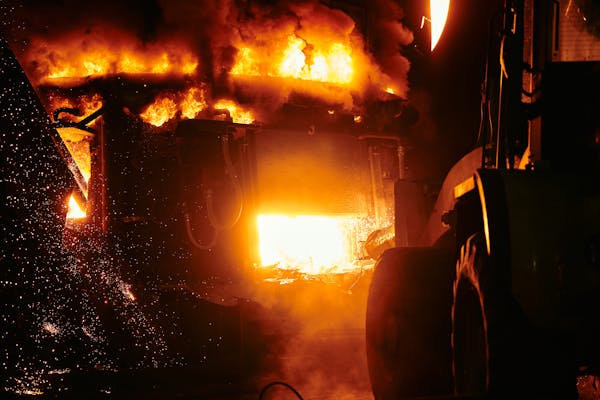
Technical comparison of pyrolysis and incineration for waste treatment. Learn why oxygen-free thermal conversion produces cleaner outputs and fewer emissions.
Read article →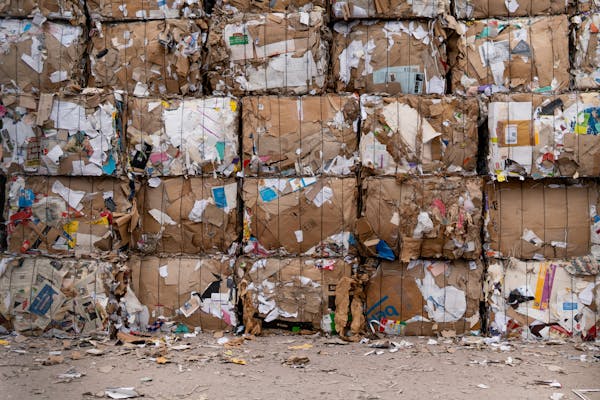
A technical guide to waste-to-energy technology: how pyrolysis, radiant heat, and thermal conversion turn municipal waste into syngas, fuel, and power.
Read article →