Waste-to-Energy Plant Costs: Investment, ROI, and Revenue Streams
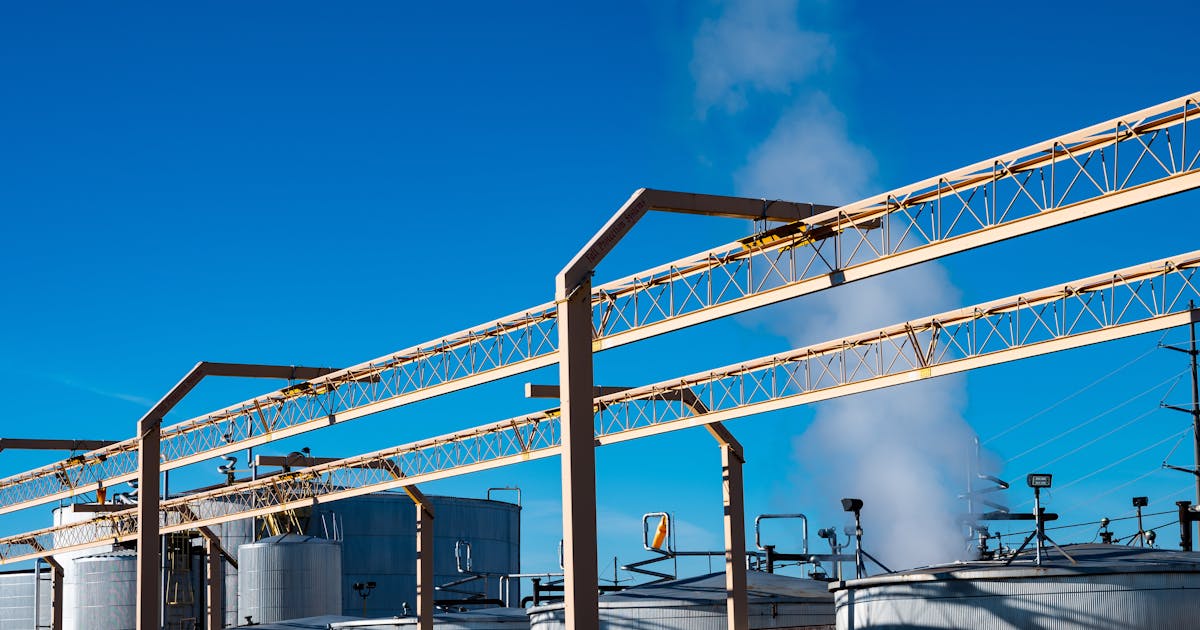
The cost of building a waste-to-energy plant depends on three variables: processing capacity (tonnes per day), conversion technology (incineration, gasification, or pyrolysis), and site-specific factors like permitting complexity and grid interconnection distance. For modern pyrolysis-based WTE facilities (the type that produces syngas, liquid fuel, and char rather than just heat and ash) capital expenditure ranges from $150,000 to $250,000 per daily tonne of capacity. A 200 TPD plant typically requires $30-$50 million to design, permit, construct, and commission. But capital cost alone tells less than half the story. What determines whether a WTE plant succeeds financially is the relationship between that upfront investment and the five revenue streams it generates over a 25-30 year operating life.
Capital Expenditure Breakdown
WTE plant capital costs divide into four main categories, each carrying different risk profiles and optimization opportunities:
- Core conversion equipment (40-50% of CAPEX) - Reactor vessels, thermal scrubbing systems, gas handling, condensers, and power generation equipment. For pyrolysis systems using radiant heat and vortex pyrocore technology, this includes the sealed reaction chambers, heat exchangers, and syngas cleanup trains that enable zero-discharge operation
- Pre-processing and material recovery (15-20%) - Shredders, trommel screens, magnetic separators, eddy current separators, optical sorters, and conveyance systems. This front-end investment directly determines feedstock quality and, consequently, conversion efficiency and output value
- Civil works and site infrastructure (20-25%) - Foundations, buildings, roads, utilities, waste receiving halls, storage bunkers, and grid interconnection. Brownfield sites with existing infrastructure can reduce this category by 30-40%
- Permitting, engineering, and commissioning (10-15%) - Environmental impact assessments, air permits, engineering design, construction oversight, performance testing, and regulatory approval. Timeline: 18-36 months depending on jurisdiction
The Modular Alternative
Not every project requires a $40 million commitment. Modular WTE systems (factory-built, containerized processing units) reduce initial capital to $8-$15 million for 50 TPD starter configurations. These units ship assembled, commission in 3-6 months rather than 18-24, and prove economics with real operating data before additional modules are added.
The modular approach changes the risk profile fundamentally. Instead of committing full capital against projected waste volumes, operators deploy one module against a confirmed waste supply contract, validate throughput and revenue, then expand. Each additional 50 TPD module adds capacity without repeating the permitting, site preparation, or infrastructure costs that dominate first-module economics. Proven project portfolios across 100+ global installations demonstrate that modular deployment consistently meets or exceeds pro-forma financial projections because the technology risk is retired before scale-up capital is committed.
Five Revenue Streams That Drive ROI
WTE plant economics differ from most industrial facilities because revenue comes from five concurrent sources, not one:
1. Tipping Fees
Waste generators pay $40-$120 per tonne to deliver material, depending on region and waste type. In capacity-constrained markets where landfill tipping fees exceed $100/tonne (parts of the Northeast US, Western Europe, island nations), WTE facilities can charge premium gate rates while still undercutting disposal alternatives. Tipping fees typically account for 35-45% of total revenue and provide the most predictable cash flow when backed by long-term municipal or industrial supply contracts.
2. Electricity Sales
Syngas from pyrolysis powers gas engines or turbines generating approximately 1.2 MW per tonne of waste processed. A 200 TPD facility produces 8-10 MW of exportable power. Revenue depends on local electricity tariffs and renewable energy premiums - $0.06-$0.15/kWh in most markets, with some jurisdictions offering feed-in tariffs above $0.20/kWh for waste-derived energy. Electricity sales contribute 20-30% of revenue.
3. Fuel and Chemical Sales
Pyrolytic liquid fuel (25-35% of output by mass) sells as industrial heating oil or refinery feedstock at $300-$600 per tonne. Carbon-rich char (10-25% of output) finds markets as activated carbon ($800-$2,000/tonne for high-quality product), biochar soil amendment ($200-$500/tonne), or construction aggregate ($20-$50/tonne). Combined fuel and material sales account for 15-25% of revenue.
4. Recovered Commodity Sales
Pre-processing extracts ferrous metals, non-ferrous metals (aluminum, copper), and clean polymers before thermal conversion. A facility processing 200 TPD of MSW recovers 15-30 tonnes per day of marketable commodities. At current scrap metal prices, this adds $5-$15 per tonne of waste processed to the revenue line.
5. Carbon Credits and Environmental Incentives
Landfill diversion generates carbon credits in regulated and voluntary markets - typically 0.5-1.0 tonne of CO2 equivalent avoided per tonne of waste diverted. At $30-$80 per credit (2026 market range), a 200 TPD facility earns $1-$5 million annually from carbon monetization alone. Additional incentives include renewable energy certificates, landfill diversion credits, and tax incentives for waste infrastructure investment.
Operating Costs
Annual operating expenditure for a pyrolysis-based WTE plant runs $25-$50 per tonne of waste processed. The major cost categories:
- Labor - 15-25 full-time staff for a 200 TPD facility, including operators, maintenance technicians, and management. Represents 25-35% of OPEX
- Maintenance - Planned thermal system overhauls every 18-24 months, ongoing wear-part replacement, and equipment inspections. 30-40% of OPEX
- Utilities and consumables - Startup fuel, process water, catalysts, and grid power for auxiliary systems. 15-20% of OPEX
- Regulatory compliance - Emissions monitoring, reporting, waste tracking, and environmental testing. 5-10% of OPEX
AI-optimized facilities reduce operating costs by 8-15%. The OWI platform cuts unplanned downtime through predictive maintenance, optimizes feedstock blending to maintain consistent calorific value, and routes outputs to highest-value markets in real time - each improvement compounding across thousands of operating hours annually.
Project Economics: What Makes or Breaks a WTE Investment
Well-structured WTE projects achieve internal rates of return between 15% and 22%, with equity payback in 5-8 years. The variables that separate strong projects from marginal ones:
- Waste supply security - Long-term contracts (10-20 years) with municipalities or industrial generators eliminate volume risk. Projects relying on spot-market waste supply face 20-30% revenue volatility
- Revenue diversification - Facilities selling into three or more revenue streams (tipping + power + fuel + credits) maintain positive cash flow even when individual commodity prices decline
- Technology selection - Pyrolysis systems producing multiple marketable outputs outperform single-output incineration on revenue per tonne. Output yields of syngas at 40-50%, liquid fuel at 25-35%, and char at 10-25% provide the broadest commercial flexibility
- Operational expertise - Teams with 30+ years of waste-to-energy experience reduce commissioning delays, maintenance costs, and performance shortfalls that erode returns in the critical first 3-5 years
Getting Started
The strongest WTE project development processes begin with a feasibility study: waste characterization (volume, composition, energy content), site assessment, permitting pathway analysis, off-take market evaluation, and preliminary financial modeling. This $50,000-$150,000 investment in pre-development work eliminates projects that lack economic fundamentals before any capital is committed - and provides the data package that lenders and equity investors require to fund construction. For operators evaluating whether waste-to-energy fits their waste management strategy, the first step is a detailed conversation about feedstock, site, and market conditions with an experienced waste-to-energy consulting team.