Waste-to-Energy vs Recycling: Complementary, Not Competing
Waste-to-energy and recycling are frequently positioned as competitors - as though building a pyrolysis plant somehow undermines curbside recycling programs. The opposite is closer to the truth. Waste-to-energy vs recycling is a false binary. They operate on different fractions of the waste stream, and the most effective municipal solid waste systems combine both into an integrated resource recovery strategy that maximizes material value and minimizes landfill dependence.
The Waste Hierarchy: Where Each Fits
The established waste hierarchy prioritizes prevention, reuse, recycling, recovery (including energy), and finally disposal. WTE sits at the recovery level - above landfill but below mechanical recycling. This positioning is accurate and uncontroversial. The debate arises from a misunderstanding of what each level actually handles.
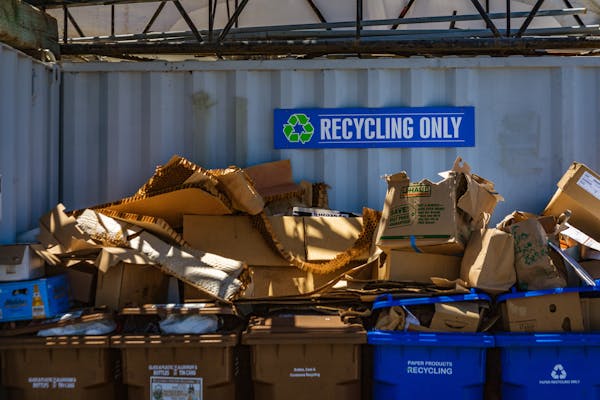
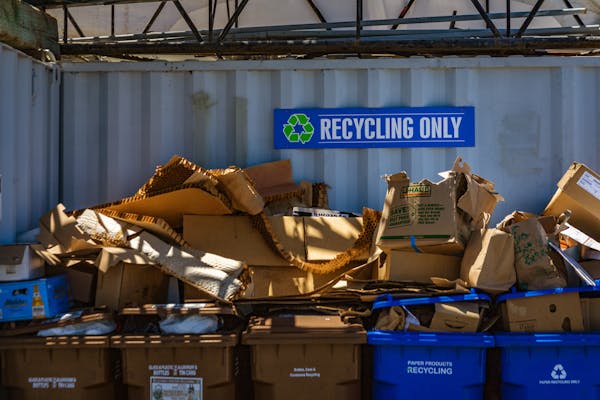
Recycling processes clean, source-separated, single-material streams: PET bottles, aluminum cans, cardboard, glass. These materials have established commodity markets and reprocessing infrastructure. Recycling them is the highest-value use.
Waste-to-energy processes the residual fraction that recycling cannot handle: contaminated plastics, multi-layer packaging, food-soiled paper, textiles, composite materials, and mixed waste that defies economical sorting. This fraction typically represents 30-40% of municipal solid waste by mass - material that would otherwise go directly to landfill.
Why They Don't Compete
A well-designed waste-to-energy facility receives its feedstock only after recycling has extracted everything it can. The pre-processing stage of any modern WTE plant includes negative sort systems, optical sorting, trommel filtration, magnetic separation, and eddy current separators specifically designed to capture recyclable material before it reaches the thermal conversion stage.
This matters economically. Recyclable materials like metals and clean polymers have higher commodity value than their energy content. A tonne of aluminum is worth $1,500+ as recycled metal versus $15 in energy value if converted to syngas. No rational operator burns recyclables when they can sell them.
Modern waste-to-energy technology is engineered with this sequencing built in. PureCycle Technology sorting systems at Renewable Waste Energy facilities extract 15-25% of incoming mass as recyclable commodities before the remaining fraction enters thermal conversion.
The Gap That WTE Fills
Even the most aggressive recycling programs plateau at 50-65% diversion rates. Germany, which leads global recycling metrics, diverts approximately 67% of municipal waste from landfill - and waste-to-energy handles most of the remaining 33%. Countries with both high recycling rates and WTE capacity consistently achieve the lowest landfill dependence.
The material in that gap has specific characteristics:
- Multi-material packaging - Chip bags (metalized plastic), juice boxes (paper/plastic/aluminum), blister packs. No single recycling stream accepts these
- Contaminated recyclables - Food-soiled paper, grease-contaminated cardboard, plastic containers with residual contents. Recyclers reject these to maintain output quality
- Textiles and composites - Clothing, carpeting, mattresses. Fiber-to-fiber recycling exists but handles less than 1% of textile waste globally
- Low-value plastics - Films, bags, PS foam, mixed plastics #3-7. Collection and sorting costs exceed commodity value in most markets
This material still contains 8-18 MJ/kg of energy. Landfilling it wastes that energy while generating methane - a greenhouse gas 80x more potent than CO2 over a 20-year horizon.
Integrated Resource Recovery: The Model That Works
The most effective waste management systems treat recycling and WTE as sequential stages in a single process, not competing alternatives. The operational flow:
- Source separation and curbside collection maximize clean recyclable streams
- Materials recovery facilities (MRFs) sort collected recyclables into commodity-grade outputs
- MRF residuals and non-recyclable waste enter WTE pre-processing for secondary material recovery
- Remaining organic and mixed waste enters thermal conversion (pyrolysis), producing syngas, fuel, and char
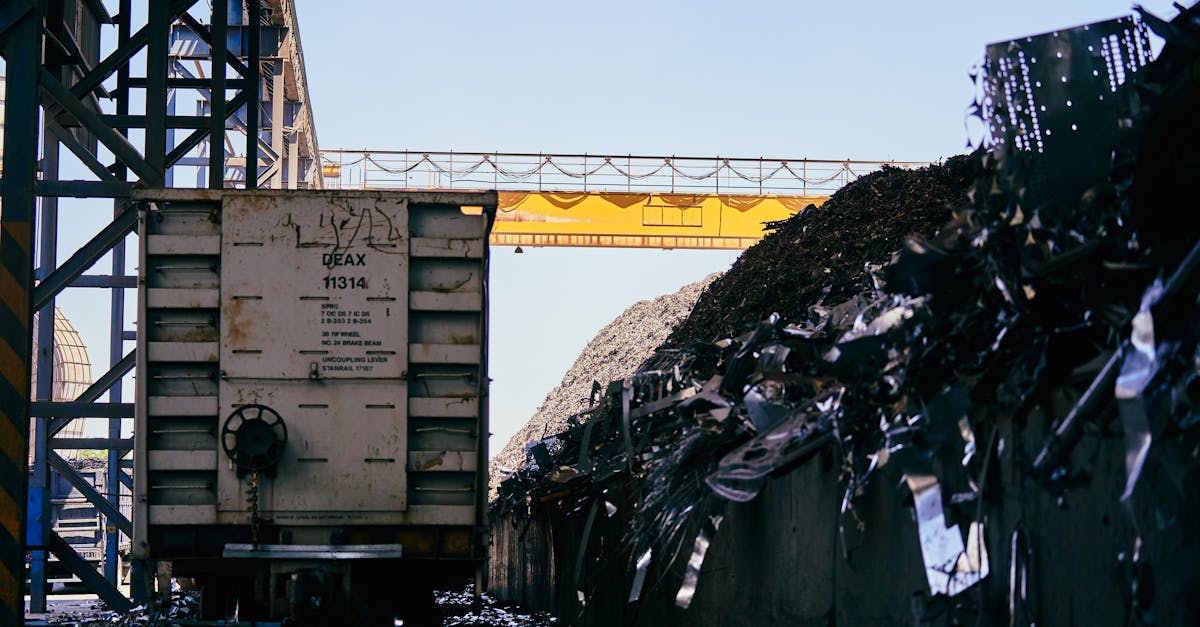
- Metals recovered during pre-processing and from conversion residuals return to commodity markets
This integrated approach achieves 95-100% landfill diversion while maximizing the value extracted from every tonne of waste. Recycled materials command commodity prices. Energy products generate electricity revenue. Carbon char enters soil amendment or industrial carbon markets. Nothing goes to landfill.
The Policy Direction
Jurisdictions with the most advanced waste policies (the EU, Japan, South Korea, Singapore) mandate both high recycling rates and WTE capacity. They recognize that the two are complementary infrastructure, not ideological alternatives. The question for municipalities still debating this is whether they can afford the environmental and financial cost of landfilling 30-40% of their waste stream while waiting for a recycling solution that may never handle it.