Pyrolysis vs Incineration: Why WTE Avoids Burning
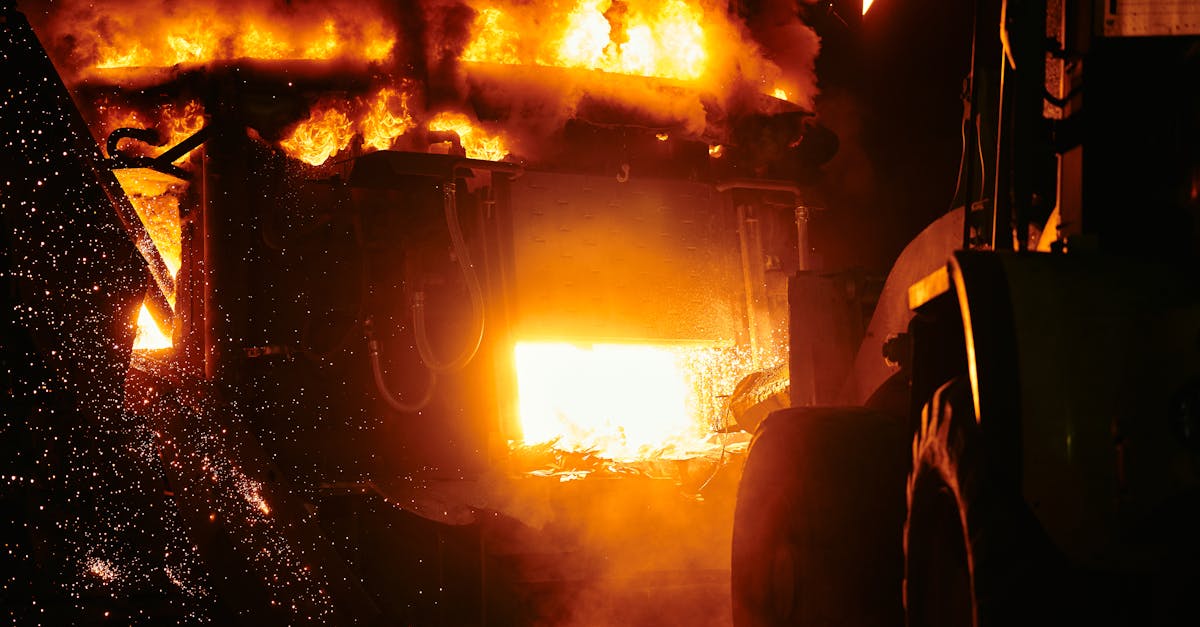
The debate around pyrolysis vs incineration defines the fault line in modern waste treatment. Both use heat to break down waste, but they operate on fundamentally different chemistry (and the difference determines what comes out the other end. Incineration burns waste in excess oxygen. Pyrolysis decomposes it in an oxygen-starved environment. That single variable) oxygen - changes everything about emissions, energy yield, and the commercial viability of the outputs.
How Incineration Works (and Where It Falls Short)
Mass-burn incineration feeds mixed waste into a combustion chamber at 850°C-1,100°C with excess air. The organic material oxidizes rapidly, releasing heat that drives steam turbines. The process is straightforward and well-understood, which is why it dominated waste-to-energy for decades.
But combustion in excess oxygen creates problems:
- Dioxins and furans - Chlorine-containing waste (PVC, some food packaging) produces these persistent organic pollutants when burned. Modern incinerators add scrubbers and activated carbon injection, but the compounds still form and require capture
- NOx and SOx - Nitrogen and sulfur compounds in waste oxidize into acid rain precursors. Selective catalytic reduction (SCR) systems add capital and operating costs
- Bottom ash and fly ash - Incineration produces 25-30% ash by weight. Bottom ash can sometimes be used as aggregate, but fly ash is classified as hazardous waste in most jurisdictions and requires landfilling
- Energy ceiling - Electrical efficiency tops out at 20-27%. Much of the heat energy goes up the stack
How Pyrolysis Changes the Equation
Waste pyrolysis heats feedstock to 400°C-800°C in a reactor with little or no oxygen. Instead of burning, the organic material undergoes thermal decomposition - long-chain molecules crack into shorter ones, producing gas, liquid, and solid fractions.
The absence of oxygen is the key. Without it:
- Dioxin and furan formation drops by over 95% (these reactions require oxygen and chlorine together at high temperature)
- NOx generation falls dramatically since nitrogen doesn't oxidize without available O2
- The carbon in waste converts to usable products rather than CO2
Renewable Waste Energy has built its conversion technology around this principle, combining radiant heat transfer with thermal scrubbing and vortex pyrocore technology to maintain precise temperature control across the reaction zone. Temperature uniformity matters - hot spots cause unwanted secondary reactions, while cold spots leave feedstock incompletely converted.
Comparing Outputs: Ash vs. Products
This is where the pyrolysis vs incineration comparison becomes starkest. Incineration produces heat, ash, and flue gas. Pyrolysis produces three distinct, marketable products:
- Syngas (40-50% of input mass) - Hydrogen-rich gas that fuels turbines, engines, or fuel cells. Calorific value: 10-20 MJ/Nm³, depending on feedstock
- Pyrolytic liquid fuel (25-35%) - A complex hydrocarbon mixture similar to heavy fuel oil. Heating value of 30-38 MJ/kg. Can substitute for diesel in industrial applications or be upgraded through catalytic cracking
- Carbon-rich char (10-25%) - Depending on source material and process conditions, this becomes activated carbon (water filtration), biochar (soil amendment), or construction aggregate
Every output has a buyer. Compare this to incineration, where 25-30% of the input becomes ash - a disposal liability, not a revenue stream.
Energy Efficiency: The Numbers
Modern pyrolysis systems generate approximately 1.2 MW per tonne of waste processed. The combined energy content of syngas, liquid fuel, and char captures 70-85% of the feedstock's embedded energy. Incineration captures 20-27% as electricity, with another 30-40% recoverable as heat if there's a district heating customer nearby.
The efficiency gap widens when you account for the parasitic load of emission control systems. Incinerators spend 5-8% of their gross energy output running scrubbers, baghouses, and SCR systems. Pyrolysis systems require less flue gas treatment because fewer problematic compounds form in the first place.
Regulatory and Permitting Implications
Incineration facilities face stringent permitting requirements under the EPA's Maximum Achievable Control Technology (MACT) standards, EU Industrial Emissions Directive, or equivalent national regulations. Continuous emissions monitoring, annual stack testing, and community notification requirements add operational overhead.
Pyrolysis facilities typically fall under different regulatory categories. Because the process doesn't involve combustion, many jurisdictions classify pyrolysis plants as manufacturing facilities (producing fuel and materials) rather than waste disposal facilities. This distinction can simplify permitting timelines from 3-5 years to 12-18 months in favorable jurisdictions.
When Incineration Still Makes Sense
Incineration isn't obsolete - it handles certain waste streams that pyrolysis cannot. Clinical and infectious waste requiring guaranteed pathogen destruction at high temperatures. Certain hazardous wastes with regulatory mandates for combustion-based treatment. Very wet waste streams (above 60% moisture) where the energy cost of drying exceeds the benefit of pyrolysis.
For everything else (municipal solid waste, industrial waste, construction debris, end-of-life plastics, contaminated soils) pyrolysis waste treatment delivers superior economics, cleaner emissions, and useful products where incineration produces only heat and ash.
Making the Transition
Facilities considering the shift from incineration to pyrolysis need to evaluate feedstock composition, moisture content, and local market demand for syngas, liquid fuel, and char. The capital cost per tonne of capacity is comparable, but the revenue model is different - you're operating a materials conversion plant, not a disposal facility. That shift in framing changes the economics, the permitting path, and the community acceptance of the project.