What Is Waste-to-Energy? Guide to Modern WTE
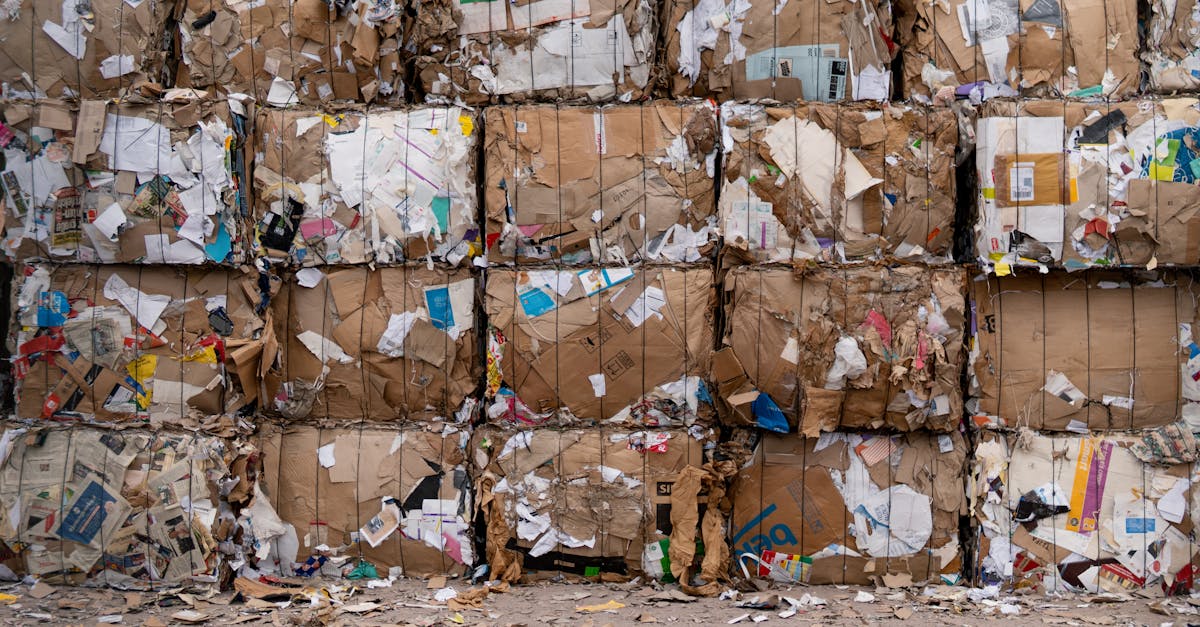
Waste-to-energy (WTE) refers to a set of thermal and biochemical processes that convert non-recyclable waste into usable forms of energy - electricity, heat, or fuel. Unlike landfilling, which buries material and generates uncontrolled methane emissions for decades, waste-to-energy extracts the embedded energy content from waste streams and transforms it into marketable outputs. The waste to energy process has evolved dramatically since its early combustion-based origins, with modern systems achieving near-zero emissions and full material recovery.
How Modern WTE Differs from Traditional Incineration
Early waste-to-energy facilities were essentially incinerators with heat recovery bolted on. They burned mixed waste in excess oxygen at temperatures above 850°C, producing significant fly ash, bottom ash, and flue gas requiring expensive scrubbing. Modern WTE technology has moved away from open combustion entirely.
Current-generation systems rely on pyrolysis and thermal desorption - processes that heat waste in oxygen-limited or oxygen-free environments. This distinction matters: without excess oxygen, you don't get the dioxins, furans, and NOx emissions associated with incineration. Instead, the organic fraction of waste thermally decomposes into recoverable products.
Companies like Renewable Waste Energy have pioneered closed-loop systems using radiant heat, thermal scrubbing, and vortex pyrocore reactors. These systems process 1,350 to 5,000+ tonnes per day while achieving zero waste to landfill - meaning every input stream produces a usable output.
The Waste-to-Energy Process: Step by Step
1. Feedstock Preparation
Incoming waste undergoes mechanical pre-processing: shredding, screening, and sorting to remove recyclable metals and inert materials. Advanced facilities use negative sort systems, trommel filtration, and optical sorting to separate material streams by type. AI-powered classification systems can identify and sort over 20 material categories in real time.
2. Thermal Conversion
The prepared feedstock enters a reactor where it's heated under controlled conditions. In pyrolysis systems, temperatures typically range from 400°C to 800°C in an oxygen-depleted atmosphere. The organic material breaks down into three primary outputs:
- Syngas (40-50% yield) - A combustible gas mixture of hydrogen, carbon monoxide, and methane, used directly for power generation or refined into chemical feedstocks
- Pyrolytic liquid fuel (25-35% yield) - A hydrocarbon-rich oil comparable to diesel, suitable for industrial boilers or further refining
- Carbon-rich char (10-25% yield) - A solid residue with applications in soil amendment, activated carbon production, or construction materials
3. Energy Recovery
Syngas drives turbines or reciprocating engines to generate electricity. A well-designed WTE facility produces approximately 1.2 MW per tonne of waste processed. Waste heat from the conversion process is captured through heat exchangers for district heating or industrial steam applications, pushing overall energy efficiency above 80%.
4. Emissions Control and Byproduct Recovery
Thermal scrubbing systems clean process gases before atmospheric release. Metals extracted during pre-processing are sold as commodities. The carbon char undergoes quality testing for its end-use application. Nothing leaves the system as waste - this is the closed-loop model that defines modern WTE.
WTE Technology: Key Performance Metrics
Facility operators and investors evaluate waste-to-energy projects on several technical parameters:
- Throughput capacity: Measured in tonnes per day (TPD). Modern modular systems scale from 50 TPD pilot plants to 5,000+ TPD regional facilities
- Net energy output: Typically 500-1,200 kWh per tonne, depending on waste composition and technology
- Landfill diversion rate: Best-in-class facilities achieve 95-100% diversion
- Emissions profile: Pyrolysis-based systems produce 80-90% fewer emissions than incineration
- Material recovery rate: Pre-processing captures 15-25% of incoming waste as recyclable metals and aggregates
Where WTE Fits in the Waste Hierarchy
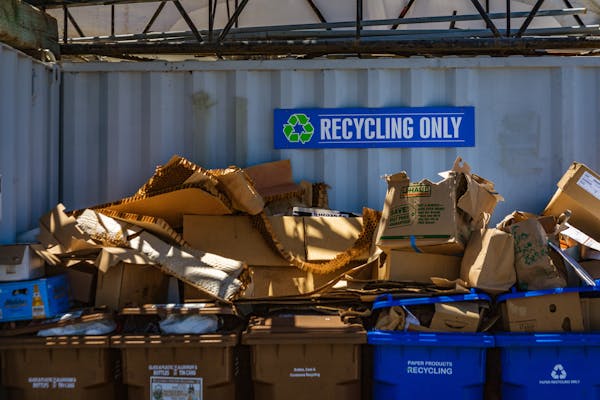
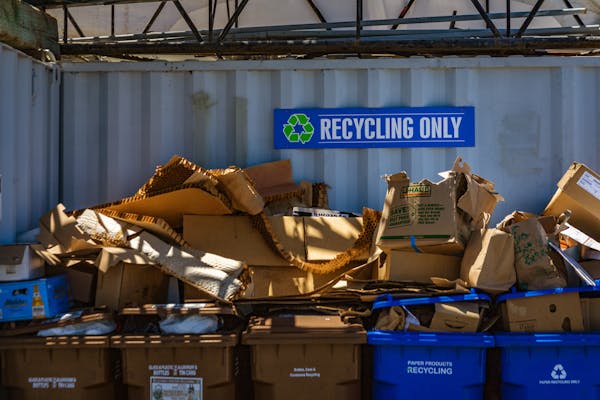
Waste-to-energy is not a replacement for recycling - it's a complement. The waste hierarchy prioritizes reduction, reuse, and recycling. WTE handles the residual fraction: the material that cannot be economically recycled, would otherwise be landfilled, and still contains significant energy content.
A typical municipal solid waste stream contains 30-40% material suitable for WTE after recyclables are removed. Diverting this fraction from landfills eliminates methane generation (a greenhouse gas 80x more potent than CO2 over 20 years) while producing baseload energy and marketable byproducts.
Economic and Environmental Returns
WTE facilities generate revenue from multiple streams: tipping fees (waste acceptance), electricity sales, heat sales, commodity sales (recovered metals), and increasingly, carbon credits. Facilities operating under zero-waste-to-landfill solutions qualify for environmental compliance credits and ESG reporting advantages.
The economics improve further when landfill costs are factored in. In regions where landfill tipping fees exceed $80-100 per tonne, WTE becomes cost-competitive on disposal alone - before accounting for energy and material revenue.
Getting Started with WTE
For municipalities and industrial operators evaluating waste-to-energy, the first step is a waste characterization study - understanding the volume, composition, and energy content of your waste stream. This data determines which WTE technology matches your feedstock and what outputs you can expect. Modern modular systems make it possible to start at pilot scale and expand as throughput demands grow, reducing upfront capital risk while proving the economics on real waste streams.