In US Waste-to-Energy, the Kilowatt-Hour Is the Byproduct. The Gate Fee Is the Product.
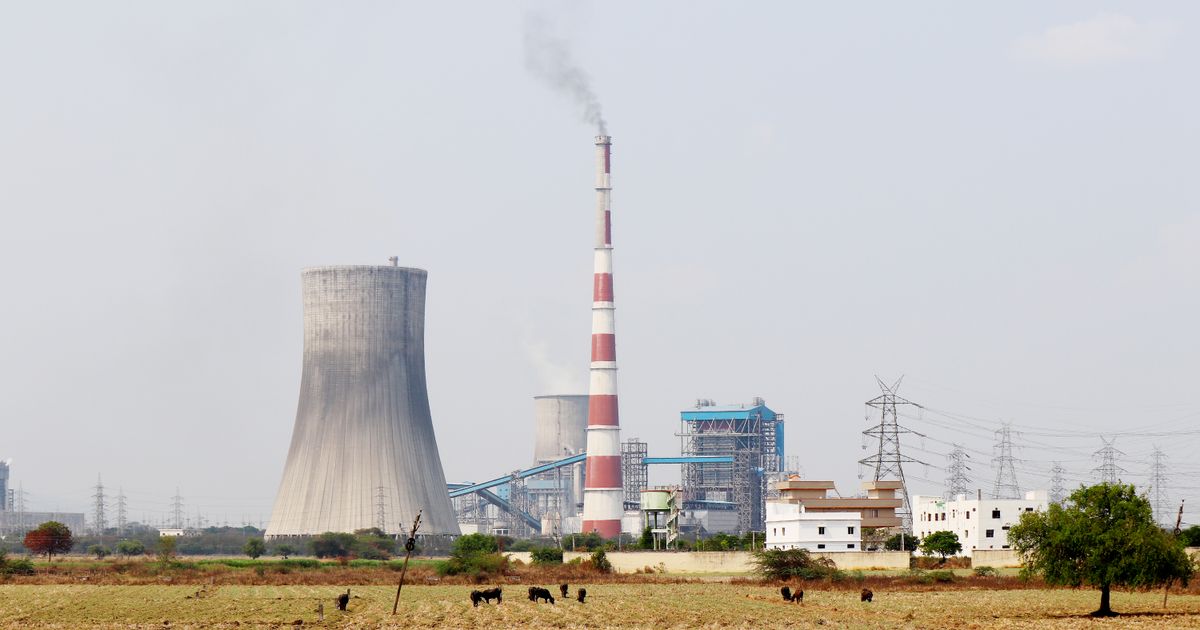
A developer sent me a US waste-to-energy feasibility model this spring with the whole return underwritten on the megawatt. Power price per kWh, a capacity factor, an escalator, a financing stack built on top. I've read that model a hundred times at The Waste Agency, and the waste-to-energy economics in it are backwards. In this country the electricity is the smallest check the plant ever cashes.
You can see it in the public numbers without a spreadsheet. The national fleet of municipal waste plants turns a ton of garbage into only a few hundred kilowatt-hours of saleable power, and sold wholesale that's lunch money. So look at what the same ton pays the moment it crosses the scale, before a single kilowatt is sold anywhere.
What a ton of trash actually earns
A waste-to-energy plant gets paid twice for the same ton: once to accept it, once to sell what comes off the stack. The first check is the tipping fee, and it dwarfs the second. A plant has to price its gate at or above the nearest landfill to pull tonnage away from it, and landfill disposal runs north of sixty dollars a ton in most US markets now. The power from that ton is worth a small fraction of the fee to take it in.
Underwrite the tipping fee, not the megawatt. The plant is a disposal business that happens to make electricity.
So the ranking is fixed before you model a single kilowatt: the gate fee runs several times the power revenue on the same ton. That's why I tell every operator the same thing. Disposal is what the contract has to secure first, a put-or-pay tonnage commitment from a county or a hauler, indexed, for the life of the debt. Get that and the power revenue is gravy. Miss it and no power price saves you. For years I priced these projects off the megawatt myself, the way that developer's model did. That was the mistake, and it's the one I watch kill otherwise fundable plants at the deal table, long before the technology is the problem. The deeper version lives in how you stack the project finance.
And that small number is also the shaky one. Wholesale power swings with natural gas (a fuel cost no operator controls), while the gate fee tracks local landfill scarcity, which only moves one way as airspace fills. Given the choice, I'd underwrite the line that drifts up.
When the deal structure outruns the technology
Here's how the two failures compound. Harrisburg borrowed $125 million to retrofit its city incinerator around an unproven high-pressure boiler design from Colorado-based Barlow Projects. After the 2007 restart the boilers under-performed for years, missing the throughput the loan had been sized against. Because the city had guaranteed that debt, an engineering miss didn't stay an engineering problem. It snowballed into one of the worst municipal finance failures the country has seen, and by 2011 it had pushed Pennsylvania's own capital into bankruptcy and then state receivership.
People remember Harrisburg as a technology story, the Barlow boilers that wouldn't run. It's really a deal story. A proven Martin grate would have helped, but what turned a bad boiler into a bankrupt city was a debt stack underwritten on revenue nobody had contracted. Most failed waste projects fail right there, at the structure, not the furnace. If the offtake math doesn't close on paper, kill it at feasibility, before anyone pours concrete.
The carbon position most operators never book
There's a third line on the page that almost nobody bills for. Close to half the power these plants make comes from the biogenic part of the waste, the food, paper and wood. Under most accounting frameworks that biogenic share is the part with a defensible renewable and carbon claim, and a surprising number of US operators run it straight to the grid without ever registering it. The carbon position is an asset most operators leave on the table. It won't outweigh the gate fee, but across the national fleet it's real revenue sitting unbilled, and it gets more valuable every year as voluntary buyers tighten their criteria. We walk new clients through carbon credit eligibility on day one for exactly that reason, the way any serious waste-to-energy company should.
Booking it isn't free. You need credible biogenic measurement and a registry willing to certify the method, on top of the emissions monitoring a plant already runs under 40 CFR Part 60 Subpart Eb. But that cost is a rounding error next to a credit stream you can sell or pledge against the financing.
Where this breaks
This is not a universal rule, so don't take it as gospel everywhere. Are there markets where the power side earns a second look? In a capacity market like PJM, the plant earns a separate capacity payment that can lift the megawatt enough to matter. Landfill-gas and renewable natural gas projects flip the logic entirely, because there the gas offtake is the product and there's no tipping fee at all. The smallest plants rarely clear on either line. And in places without flow control, where a county can't legally steer its waste to your gate, the tonnage commitment I keep insisting on may not be enforceable, which changes how you underwrite the whole thing. Read the local statute before you trust the rule.
But the core holds across most of the fleet. The kilowatt-hour is the byproduct; the gate fee and the carbon credit are the product. Price a waste-to-energy plant like a power plant and you'll lose the deal to whoever priced it like a landfill with a turbine bolted on, because they read the revenue page in the right order. Renewable Waste Energy underwrites on that order, and it's why our waste-to-energy services start with the disposal contract, not the grid interconnection.
Sources & Notes
- The plant-fleet and biogenic-share facts behind this are the EIA's, from its waste-to-energy explainer. The per-ton comparison is my own, run off those totals.
- The landfill gate-fee benchmark comes from the Environmental Research and Education Foundation's national tipping-fee survey.
- The Harrisburg account is drawn from contemporaneous coverage of the incinerator's collapse. I use it as the cleanest example I know of a contracting failure dressed up as a technology one.
Researched and written by OWI editorial staff. Technical review by RWE engineering. AI tools used for drafting assistance.