Medical Waste Treatment Went Cold. The Mass Still Gets Buried.
Medical waste treatment stopped being about fire. What autoclaves and pyrolysis actually replaced incineration with, and why the mass still ends up buried.
Read article →Author Profile
Senior Plant Engineer. 20 years in waste-to-energy plant operations — from maintenance to process optimization. Writes about the equipment and thermal systems that turn waste into energy. Published by Renewable Waste Energy.
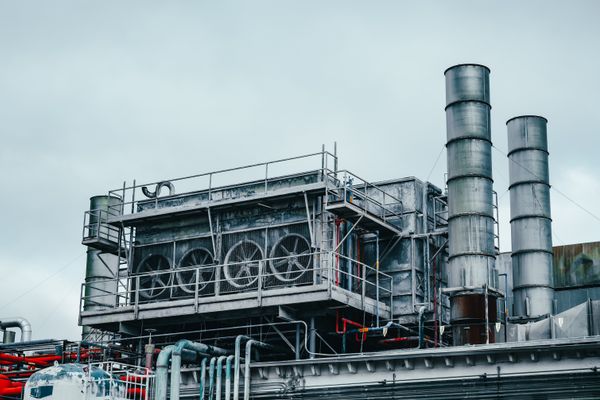
Medical waste treatment stopped being about fire. What autoclaves and pyrolysis actually replaced incineration with, and why the mass still ends up buried.
Read article →
Single-stream recycling runs 20-27% contamination while dual-stream stays cleaner. See where the cost actually lands and which one fits your program.
Read article →
WIN Waste is retiring Hudson Falls, not retrofitting it for the 2026 EPA combustor rule. The retire-vs-retrofit math for an aging waste-to-energy fleet, from the floor.
Read article →
Plasma gasification vs pyrolysis after Teesside's billion-dollar write-off: where each thermal technology actually fits, and where the capex never closes.
Read article →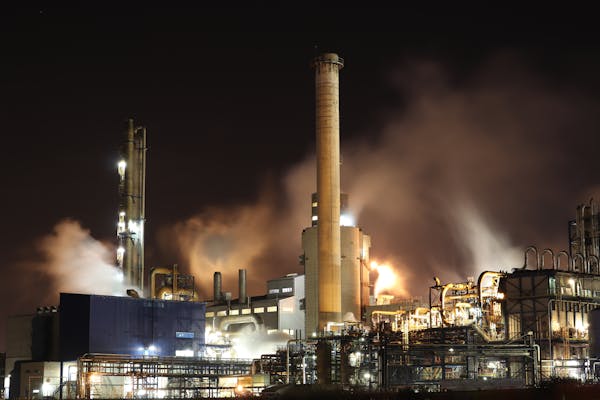
Inside waste to energy Middle East: Warsan's 30% efficiency, Saudi's 3 GW target, Sharjah's expansion, and where the project economics actually break.
Read article →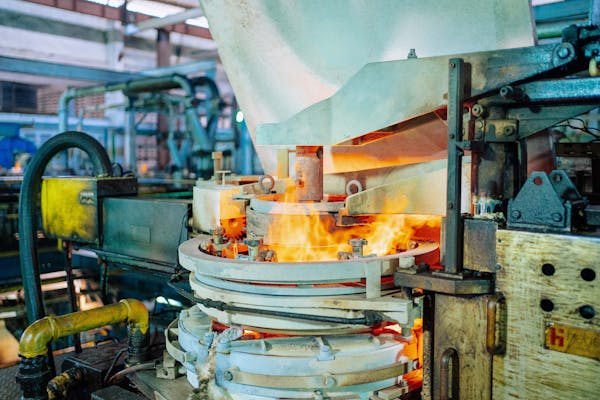
Tire pyrolysis oil is technically a fuel, financially a byproduct. Why cement-kiln gate prices can't fund your plant - and what actually does.
Read article →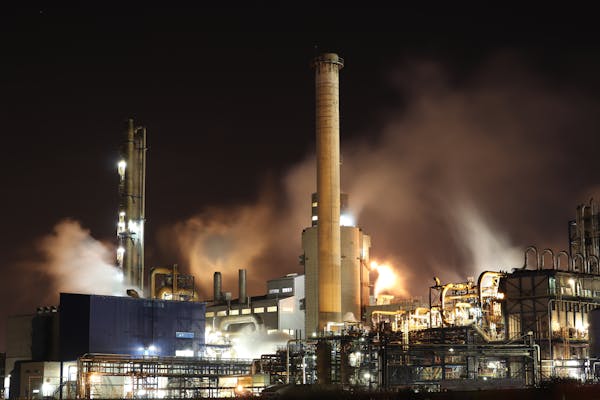
Urban waste recovery isn't the revenue project cities are sold. After twenty years and three plants, here's what the financial math actually shows.
Read article →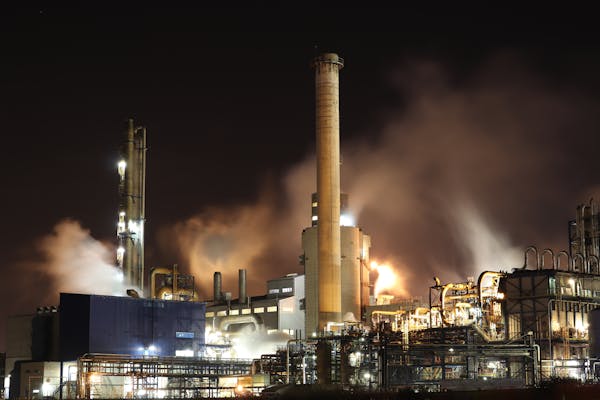
Renewable waste expertise is mostly knowing which conversion technologies to reject. Here are the seven failure modes I check before endorsing any system.
Read article →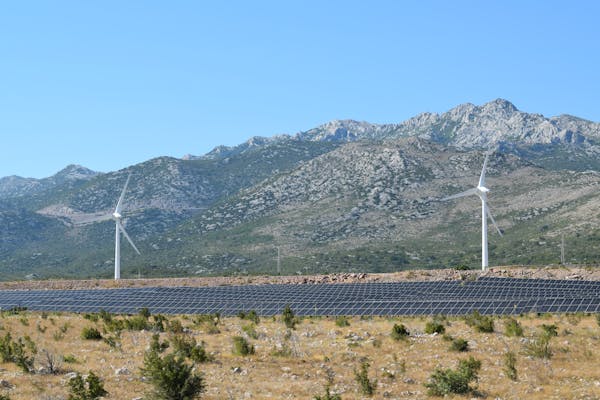
Renewable energy from waste qualifies as clean power only when operators prove the biogenic share. Here's what plant engineers measure and why it matters.
Read article →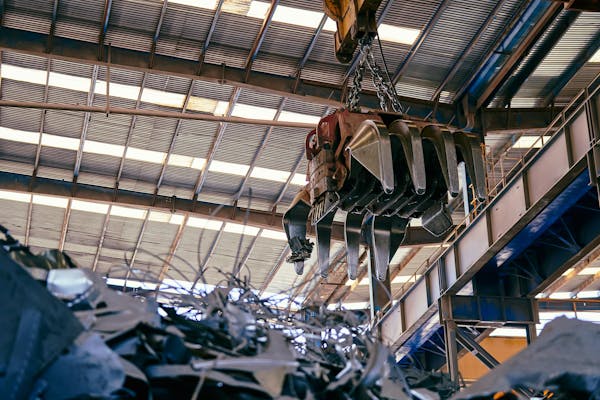
Metal recovery from waste streams captures ferrous and non-ferrous value before thermal conversion. Learn how eddy current separators and preprocessing boost facility economics.
Read article →
Debunking common myths about biochar from waste pyrolysis - from quality concerns to carbon credit viability and soil amendment effectiveness across climates.
Read article →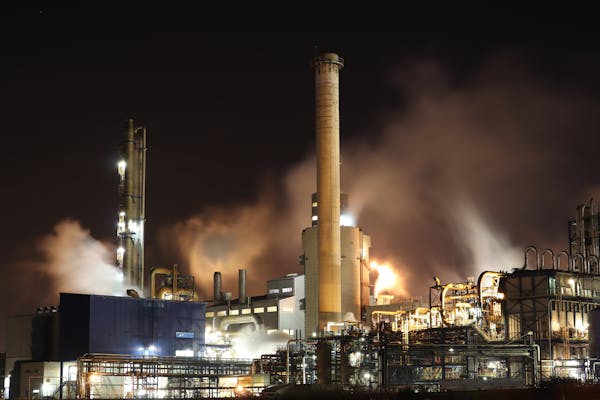
How pyrolysis-based waste conversion systems transform municipal and industrial waste into liquid fuel, syngas, and char - economics, process, and output yields.
Read article →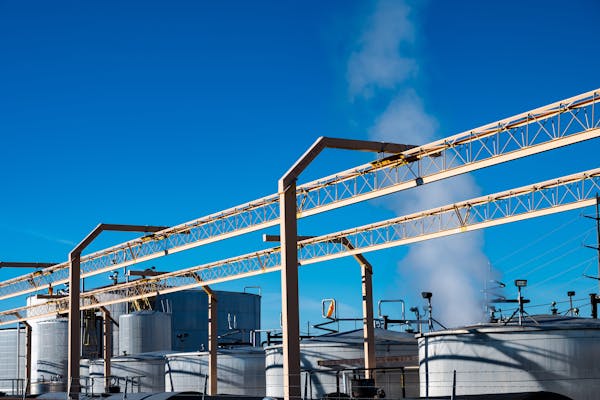
How pyrolysis converts municipal and industrial waste into syngas for power generation, hydrogen production, and chemical synthesis.
Read article →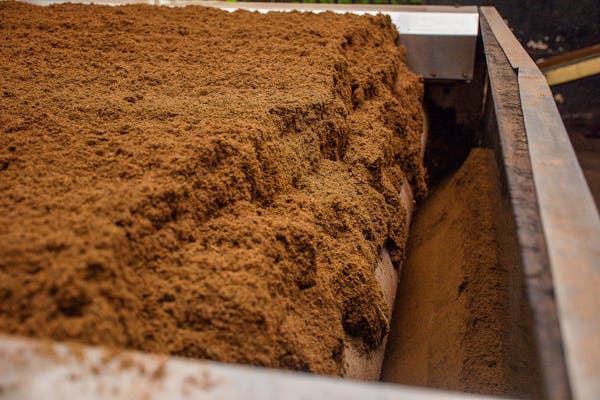
How thermal desorption technology removes contaminants from soil at Superfund and brownfield sites, restoring land without destroying the soil matrix.
Read article →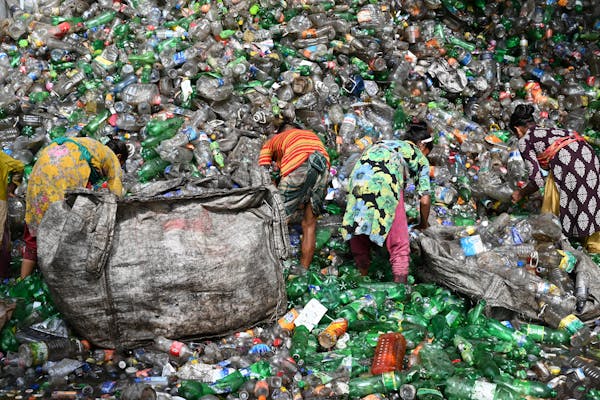
How pyrolysis converts unrecyclable plastic waste into liquid fuel, syngas, and char - providing an economic and environmental alternative to landfilling or incinerating contaminated and mixed plastics.
Read article →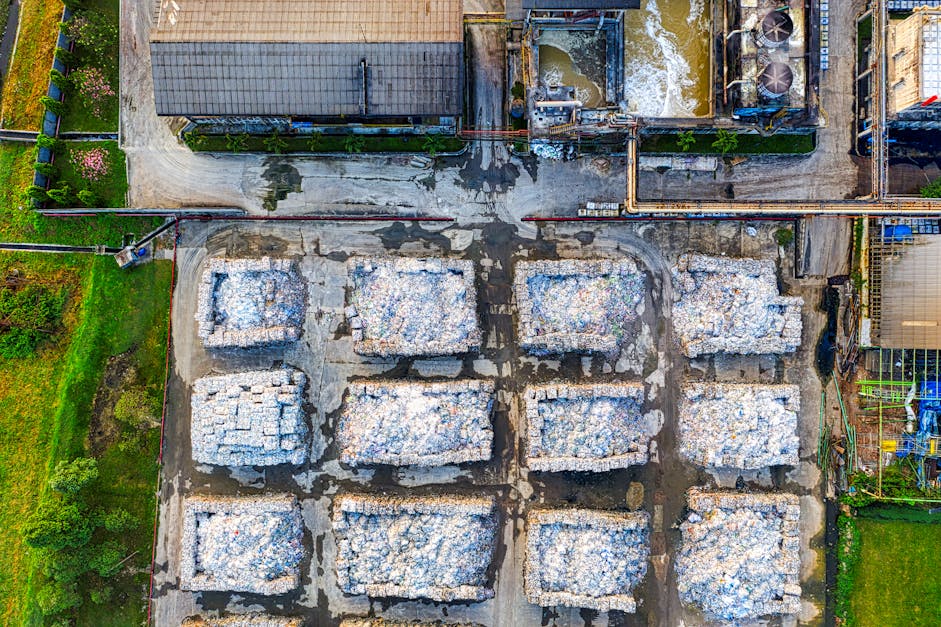
How modern waste conversion technology uses pyrolysis, radiant heat, and vortex pyrocore systems to transform waste into syngas, fuel, and char without incineration.
Read article →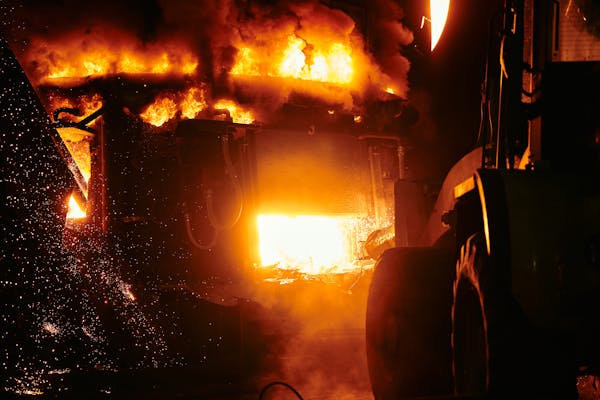
Technical comparison of pyrolysis and incineration for waste treatment. Learn why oxygen-free thermal conversion produces cleaner outputs and fewer emissions.
Read article →