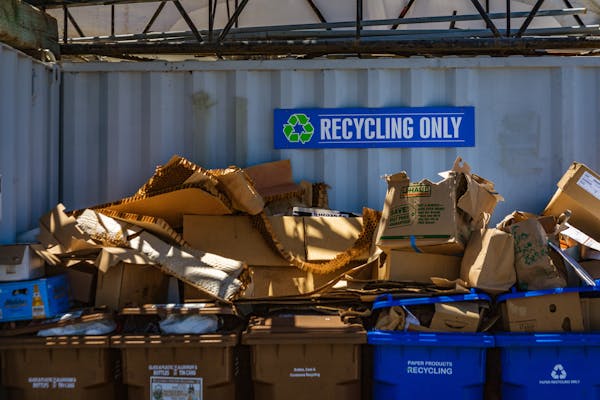
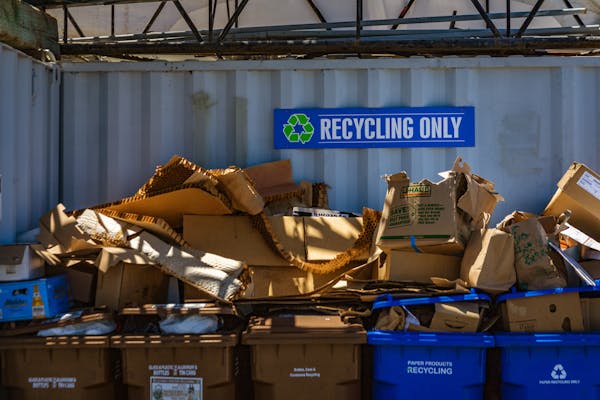
Waste to Fuel: Converting Trash into Pyrolytic Liquid Fuel
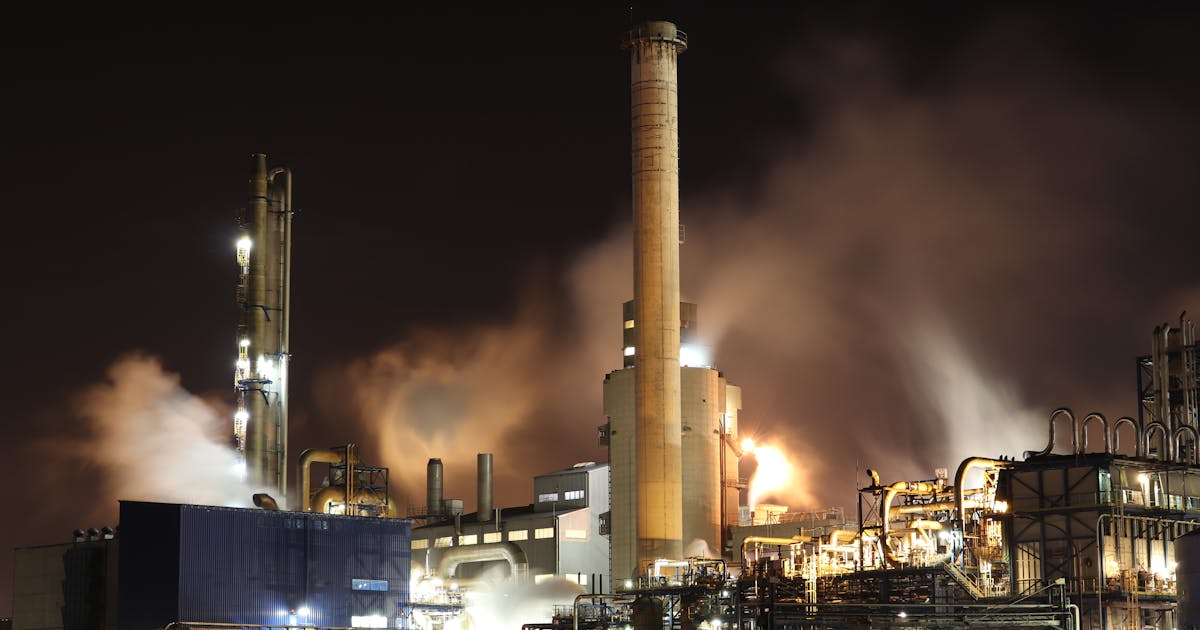
Waste-to-fuel conversion is the process of transforming municipal, industrial, and agricultural waste into usable liquid fuel through pyrolysis (a thermochemical reaction that breaks down organic materials in the absence of oxygen. The resulting pyrolytic oil is a crude-equivalent hydrocarbon that can replace diesel, bunker fuel, or petrochemical feedstock. For waste streams that recyclers cannot process) contaminated plastics, mixed organics, automotive shredder residue - fuel conversion captures embedded energy that would otherwise be buried in a landfill. With waste conversion systems producing approximately 1.2 MW of thermal energy per tonne of feedstock processed, pyrolytic fuel represents one of the highest-value outputs in the waste-to-energy hierarchy.
How Pyrolysis Produces Fuel from Waste
Pyrolysis heats organic waste to 400-700°C inside a sealed reactor where oxygen has been displaced by inert gas, typically nitrogen. Without oxygen, combustion cannot occur. Instead, long-chain polymers and cellulosic compounds undergo thermal cracking - molecular bonds break and reorganize into smaller hydrocarbon chains. The process yields three distinct product streams, each with commercial value:
- Pyrolytic liquid fuel (25-35% by mass) - A dark, viscous oil with a calorific value of 38-42 MJ/kg. Its composition varies with feedstock: plastic-rich inputs produce oil closer to diesel (longer carbon chains), while biomass-heavy feeds yield oil with more oxygenated compounds requiring further upgrading
- Syngas (40-50%) - A combustible mixture of hydrogen, methane, carbon monoxide, and light hydrocarbons. Most facilities loop syngas back to fuel the pyrolysis reactor, making the process thermally self-sustaining after startup
- Char (10-25%) - A carbon-rich solid residue. Depending on feedstock and process parameters, char serves as activated carbon, soil amendment (biochar), or fuel supplement with calorific values of 25-30 MJ/kg
The ratio between these outputs shifts with temperature, residence time, and feedstock composition. Operators tuning for maximum liquid fuel production typically run at 450-550°C with rapid heating rates and short vapor residence times, which favor condensation of medium-chain hydrocarbons before they crack further into gas.
Feedstock: What Goes In
The economic case for waste-to-fuel conversion strengthens with feedstocks that carry high disposal costs and limited recycling pathways. The strongest candidates include:
- End-of-life plastics (types 3-7) - Multilayer packaging, PVC, polystyrene, and mixed plastics that material recovery facilities reject. These feedstocks produce the highest liquid yields (up to 70% from pure polyethylene) and command negative feedstock costs through tipping fees
- Automotive shredder residue (ASR) - The 20-25% of a scrapped vehicle that remains after metal recovery: foam, textiles, rubber, mixed plastics. Landfill tipping fees for ASR run $80-150 per tonne, making conversion economically attractive even at modest fuel yields
- Agricultural and forestry waste - Crop residues, wood chips, and plantation trimmings. Lower liquid yields than plastics (15-25%) but near-zero feedstock cost and eligibility for agricultural carbon credits
- Refuse-derived fuel (RDF) - Pre-sorted, shredded municipal solid waste with inorganics removed. RDF-fed pyrolysis bridges the gap between mass-burn incineration and the precision of single-stream plastic conversion
Pre-processing determines conversion efficiency. Feedstock entering the reactor needs consistent particle size (typically under 50mm), moisture content below 15%, and removal of metals, glass, and inert materials. Integrated waste-to-energy services that combine sorting, shredding, and drying with the conversion system extract significantly more value per tonne than standalone pyrolysis units operating on poorly prepared feed.
From Crude Pyrolytic Oil to Specification Fuel
Raw pyrolytic oil cannot be pumped directly into a diesel engine. It contains suspended char particles, dissolved water, and elevated acidity from oxygenated compounds. Upgrading follows a sequence:
- Filtration and settling - Removes char fines and separates the aqueous phase. Simple gravity settling recovers 85-90% of the organic fraction
- Distillation - Fractionates the oil into light naphtha (C5-C10), middle distillate (C10-C20, the diesel-range fraction), and heavy residue. Middle distillate typically represents 50-65% of the raw oil
- Hydrotreating - Catalytic hydrogen addition removes sulfur, nitrogen, and oxygen, improving stability and reducing corrosiveness. The product meets ASTM D975 diesel and EN 590 specifications after this step
Facilities that skip hydrotreating can still sell raw pyrolytic oil as industrial boiler fuel, marine bunker blendstock, or chemical feedstock - applications with less stringent specifications but lower price points. The economics depend on local fuel markets, available refining infrastructure, and whether the operation qualifies for renewable fuel credits.
Economics and Revenue Streams
A waste-to-fuel facility generates revenue from two directions simultaneously: disposal fees collected from waste generators (tipping fees) and sales of converted fuel products. This dual revenue model explains why pyrolytic fuel conversion achieves positive ROI even when fuel prices are moderate.
Representative economics for a 100-tonne-per-day facility processing mixed plastic waste:
- Tipping fee income - $40-80 per tonne of feedstock accepted, yielding $4,000-8,000 per day
- Pyrolytic oil sales - 25-30 tonnes/day at $400-600 per tonne (crude oil equivalent), yielding $10,000-18,000 per day
- Char sales - 10-15 tonnes/day at $50-150 per tonne depending on quality and application
- Carbon credits - Landfill methane avoidance and fossil fuel displacement generate 0.5-1.2 carbon credits per tonne of waste diverted
Capital costs for a 100 TPD pyrolysis plant range from $15-25 million depending on feedstock complexity, emission controls, and fuel upgrading depth. Payback periods of 4-7 years are typical for well-sited facilities with secured feedstock contracts. Operations backed by teams with 100+ global project deployments reduce the commissioning and ramp-up risk that derails first-of-kind installations.
Regulatory Landscape and Fuel Standards
Waste-derived fuel sits at the intersection of waste regulation and energy policy. In the EU, pyrolytic oil from waste qualifies as a renewable fuel under the Renewable Energy Directive (RED III) when produced from non-recyclable waste streams, unlocking mandated blending requirements and renewable fuel certificates. The U.S. EPA's Renewable Fuel Standard (RFS) includes pyrolysis-derived fuels in the cellulosic biofuel category, generating D3 or D7 Renewable Identification Numbers (RINs) worth $1.50-3.00 per gallon on top of the commodity fuel price.
These regulatory incentives shift the economics substantially. A facility producing 5 million gallons of pyrolytic diesel per year in a favorable RIN market adds $7.5-15 million in annual credit revenue - often exceeding the value of the physical fuel itself. Jurisdictions with aggressive carbon pricing (California's LCFS, British Columbia's clean fuel standard) amplify the advantage further.
Scaling Waste-to-Fuel Conversion
The waste-to-fuel sector has moved past pilot-scale proof of concept. Commercial plants processing 50-200 tonnes per day of mixed waste operate across Southeast Asia, Europe, and North America. The technology scales modularly (adding reactor lines rather than building entirely new facilities) which allows operators to match capacity to feedstock availability without overbuilding.
The critical success factors remain consistent across scales: reliable feedstock supply with predictable composition, pre-processing that delivers consistent reactor feed, thermal management systems that maintain conversion efficiency across feedstock variability, and offtake agreements for both fuel and byproducts. Organizations with 30+ years of thermal processing experience across diverse waste streams bring the operational data and engineering depth required to navigate the gap between nameplate capacity and sustained commercial production. For facilities considering waste-to-fuel as part of a broader waste management strategy, the starting point is a feedstock characterization study paired with a market assessment of local fuel demand and regulatory incentives - a process where experienced waste-to-energy consultants accelerate decision-making and reduce development risk.