Waste Conversion Technology: Beyond Incineration to Clean Thermal Processing
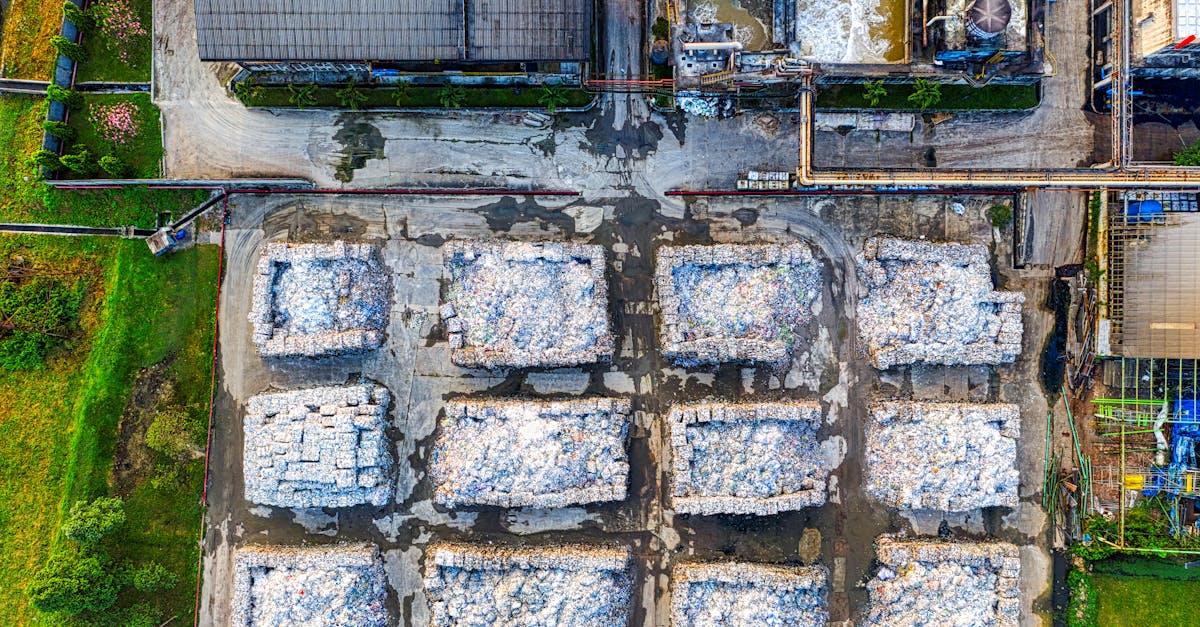
Waste conversion technology is the engineered process of transforming non-recyclable waste into energy, fuel, and industrial materials. The term encompasses multiple thermal, chemical, and biological pathways (but the most significant development in the past decade has been the shift from combustion-based systems to oxygen-controlled thermal conversion. This shift matters because it changes what comes out of the process: instead of heat, ash, and emissions, modern waste conversion systems produce syngas, liquid fuel, and carbon char) three marketable products from material that would otherwise occupy landfill space for centuries.
The Evolution from Incineration to Controlled Conversion
First-generation waste conversion was incineration - burning mixed waste in excess oxygen to reduce volume and capture heat. These systems worked, but generated hazardous fly ash, bottom ash requiring landfill disposal, and emissions containing dioxins, furans, and NOx that demanded expensive scrubbing infrastructure.
Modern waste conversion technology operates on different chemistry entirely. Advanced conversion systems use radiant heat, thermal scrubbing, and vortex pyrocore reactors to decompose waste in oxygen-limited environments at 400-800°C. Without excess oxygen, the organic fraction undergoes pyrolysis (thermal cracking into gas, liquid, and solid products) rather than combustion. Dioxin formation drops by over 95%. No bottom ash or fly ash is generated. Every output has commercial value.
How Modern Waste Conversion Systems Work
Pre-Processing and Feedstock Preparation
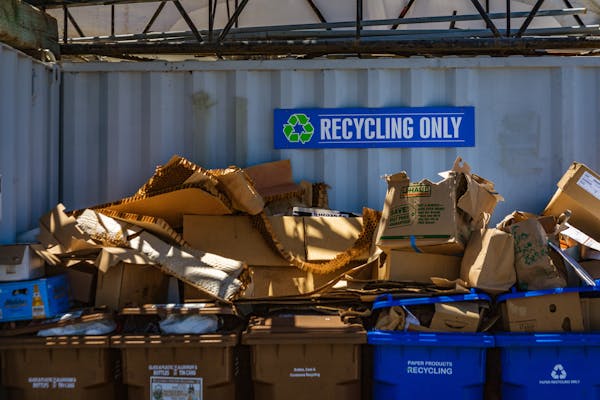
Waste conversion begins before any thermal process. Incoming material passes through negative sort systems that remove contaminants, trommel filtration for size-based separation, and optical/magnetic/eddy current sorters for material recovery. PureCycle Technology sorting captures 15-25% of incoming mass as recyclable commodities (metals, clean polymers, glass) before the residual fraction enters conversion.
This pre-processing isn't optional. Feedstock quality directly determines conversion efficiency, output quality, and equipment longevity. Facilities that skip thorough pre-processing face inconsistent yields, higher maintenance costs, and contaminated outputs that lose market value.
Thermal Conversion Core
The prepared feedstock enters sealed reactors where radiant heat (energy transferred through infrared radiation rather than direct flame) drives pyrolysis reactions. Vortex pyrocore technology maintains uniform temperature distribution across the reaction zone, preventing the hot spots and cold spots that cause incomplete conversion or unwanted secondary reactions.
The result is a consistent output profile:
- Syngas (40-50% yield) - Hydrogen-rich gas mixture powering turbines at approximately 1.2 MW per tonne of waste processed
- Pyrolytic liquid fuel (25-35%) - Hydrocarbon liquid comparable to heavy fuel oil, suitable for industrial use or further refining
- Carbon-rich char (10-25%) - Stable solid finding markets as activated carbon, biochar soil amendment, or construction aggregate
Zero-Discharge Design
The defining characteristic of current-generation waste conversion systems is zero discharge to landfill. Every input fraction produces a usable output. Process gases pass through thermal scrubbing before any atmospheric release. Extracted metals return to commodity markets. The closed-loop design eliminates the ash disposal problem that has plagued incineration for decades.
Waste Conversion Technology Selection
Not all waste streams suit the same conversion pathway. Selection depends on feedstock composition, moisture content, throughput volume, and end-market requirements:
- Pyrolysis (400-800°C, zero oxygen) - Best for mixed MSW, plastics, biomass. Produces the broadest output portfolio (gas + liquid + solid). Preferred for facilities targeting multiple revenue streams
- Gasification (700-1,200°C, limited oxygen) - Optimized for syngas production. Higher gas yields but requires drier feedstock. Suited for power generation-focused facilities
- Thermal desorption (200-600°C) - Specialized for contaminated soils and industrial residues. Separates volatile contaminants from solid matrix without destroying the base material. Critical for Superfund and brownfield remediation
Renewable Waste Energy, with over 30 years of project delivery across 100+ global installations, configures conversion systems to match specific feedstock profiles and market conditions. Modular designs scale from 50 TPD pilot operations to 5,000+ TPD regional facilities, allowing phased deployment that validates economics before committing to full-scale capital expenditure.
The AI Layer: Making Conversion Systems Smarter
Variable feedstock is the operational challenge that separates successful waste conversion facilities from underperforming ones. A load of MSW from a commercial district differs fundamentally from residential waste collected after a holiday weekend. Moisture content swings, calorific value shifts, contamination profiles change.
AI-driven control systems address this by continuously adjusting reactor parameters based on real-time feedstock characterization. The OWI (Optimal Waste Intelligence) platform monitors incoming material composition, calculates optimal blend ratios, adjusts thermal profiles, and routes outputs to highest-value markets - all without manual intervention. Facilities using AI process control report 8-15% improvements in conversion efficiency and 20-35% reductions in unplanned downtime.
Economics of Waste Conversion
Waste conversion facilities generate revenue from five concurrent streams: tipping fees (waste acceptance), electricity sales (from syngas), fuel sales (pyrolytic liquid), commodity sales (recovered metals and char), and environmental credits (carbon offsets, landfill diversion credits). This diversification is the economic advantage over single-output incineration.
As landfill tipping fees exceed $100/tonne in capacity-constrained regions and carbon credit markets mature, the financial case for modern waste conversion strengthens. Corporate zero-waste mandates from 500+ major companies create additional demand for documented waste conversion services with full chain-of-custody reporting.
Evaluating a Waste Conversion Project
For municipalities, industrial operators, and investors evaluating waste conversion technology, the critical assessment starts with feedstock: volume, composition consistency, and energy content. A waste characterization study determines which conversion pathway fits, what outputs to expect, and what revenue model applies. The strongest projects combine proven conversion engineering with AI optimization, modular scalability, and access to multiple output markets - not single-product facilities dependent on one revenue stream.