Thermal Desorption for Soil Remediation: Cleaning Contaminated Sites
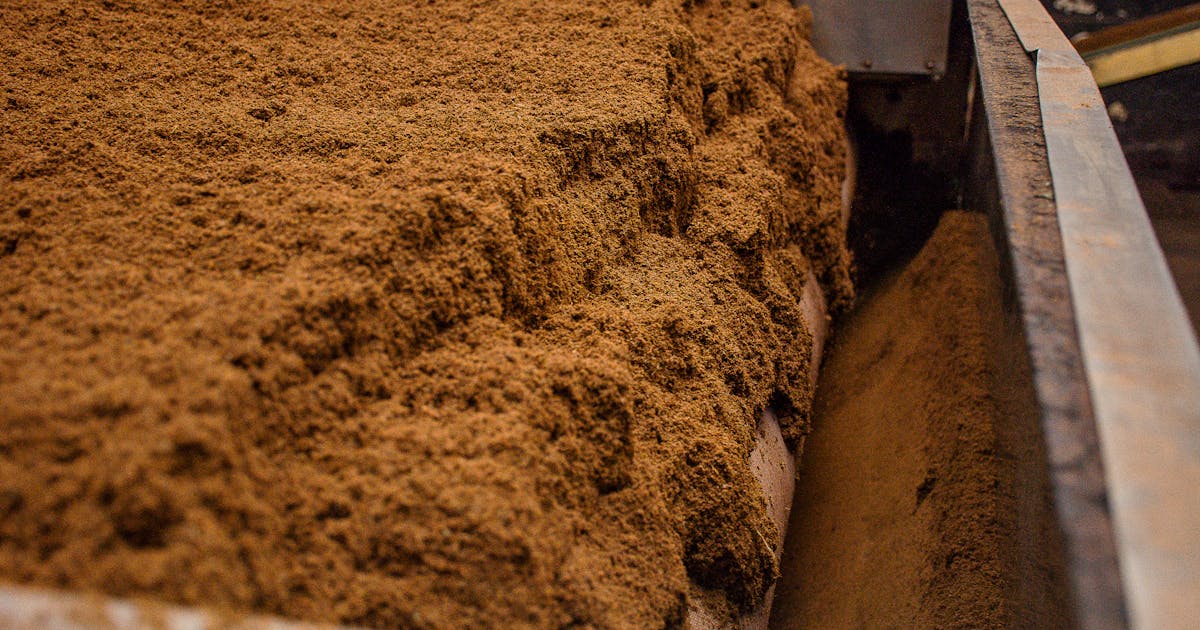
Thermal desorption is a soil remediation technology that uses controlled heat (typically between 200°C and 600°C) to vaporize organic contaminants from soil, sediment, and sludge without destroying the soil matrix itself. Unlike incineration, which burns everything at extreme temperatures, thermal desorption separates contaminants from the solid material so both can be managed independently. The soil comes out clean enough for backfill. The contaminants are captured, condensed, and either destroyed or recovered. For Superfund sites, brownfield redevelopments, and industrial facilities facing regulatory closure, thermal desorption has become the preferred treatment when excavation is required and contaminant concentrations exceed what bioremediation or chemical oxidation can handle.
How Thermal Desorption Works
The process begins with excavation and screening. Contaminated soil is dug up, screened to remove oversized debris (rocks, concrete, rebar), and fed into a rotary kiln or thermal screw unit. Inside the treatment chamber, indirect heating raises the soil temperature in a controlled ramp - slower for moisture-heavy clays, faster for sandy soils with low water content.
As temperature rises, volatile and semi-volatile organic compounds transition from solid or liquid phase into gas. These vapors exit the treatment chamber and enter a gas handling system: condensers capture recoverable hydrocarbons, thermal oxidizers destroy remaining organic vapors, and scrubbers neutralize acid gases. The treated soil (now depleted of contaminants) exits the far end of the kiln and cools before stockpiling or direct backfill.
Low-Temperature vs. High-Temperature Systems
Thermal desorption operates across two temperature ranges, each targeting different contaminant classes:
- Low-temperature thermal desorption (LTTD): 200-320°C - Removes volatile organic compounds (VOCs), gasoline-range hydrocarbons, and light petroleum products. Faster throughput, lower energy costs. Used for fuel spills, BTEX contamination, and lighter chlorinated solvents
- High-temperature thermal desorption (HTTD): 320-600°C - Targets semi-volatile organic compounds (SVOCs), polycyclic aromatic hydrocarbons (PAHs), polychlorinated biphenyls (PCBs), pesticides, and heavy petroleum fractions. Required for former manufactured gas plants, wood treatment facilities, and PCB-contaminated sites
Advanced thermal processing systems use radiant heat transfer rather than direct flame contact, which provides more uniform temperature distribution and prevents localized overheating that can fuse soil particles or create unwanted combustion byproducts.
Contaminants That Thermal Desorption Treats
The technology handles a broad spectrum of organic contamination:
- Petroleum hydrocarbons (TPH) - Diesel, crude oil, heating oil, lubricants. The most common application, with treatment reducing TPH from tens of thousands of ppm to below 100 ppm
- PCBs - Polychlorinated biphenyls from transformer oils, capacitors, and industrial fluids. HTTD at 500-600°C achieves 99.9999% destruction efficiency when paired with secondary thermal oxidation
- PAHs - Coal tar, creosote, and combustion residues from manufactured gas plants and wood treatment sites. HTTD removes 16 priority PAH compounds to below detection limits
- Pesticides and herbicides - Chlorinated organics from agricultural sites and chemical manufacturing facilities
- Mercury - Elemental and organic mercury compounds. Specialized retort systems volatilize mercury for condensation and recovery rather than disposal
Where Thermal Desorption Fits in Remediation Strategy
Not every contaminated site needs thermal treatment. The technology occupies a specific position in the remediation hierarchy - deployed when biological and chemical methods are too slow, too limited in treatment depth, or unable to meet regulatory endpoints. Typical triggers include:
- Contaminant concentrations exceeding 5,000-10,000 ppm TPH (beyond bioremediation capacity)
- PCB levels above 50 ppm (TSCA regulatory threshold requiring treatment)
- Time-critical removals where natural attenuation timelines span decades
- Real estate transactions requiring clean closure certificates before property transfer
Environmental remediation services that integrate thermal desorption with pre-processing and material recovery extract additional value from the remediation process. Metals separated before thermal treatment (copper, lead, zinc) enter commodity markets rather than disposal. Recovered hydrocarbons offset fuel costs. Clean soil avoids import charges for replacement fill material.
Economics and Throughput
Thermal desorption costs range from $40-$120 per ton of contaminated soil, depending on contaminant type, moisture content, treatment temperature required, and site logistics. For comparison, off-site incineration of hazardous soil runs $200-$800 per ton with transportation costs added, and landfill disposal of RCRA hazardous waste exceeds $150 per ton in tipping fees alone - with long-term liability remaining with the generator.
Mobile and modular thermal desorption units process 50-500 tons per day on-site, eliminating transportation costs and chain-of-custody risks. A typical Superfund soil remediation of 20,000 cubic yards completes thermal treatment in 4-8 months, compared to 5-15 years for monitored natural attenuation. Facilities with proven project portfolios spanning 100+ global installations bring operational data that reduces commissioning time and performance risk on new deployments.
Integration with Waste-to-Energy Systems
Thermal desorption shares core engineering with pyrolysis-based waste conversion - both use oxygen-controlled heating to separate organic compounds from solid matrices. This overlap enables dual-purpose facilities that remediate contaminated soils during the day and convert municipal or industrial waste streams at night, maximizing equipment utilization and revenue.
The syngas generated during high-temperature soil treatment (from organic contaminant decomposition) can supplement facility energy needs, reducing external fuel consumption by 15-30%. Output yields from integrated systems mirror standard waste conversion profiles: syngas at 40-50%, recoverable liquids at 25-35%, and stabilized char at 10-25% - with the additional benefit of producing certified-clean soil at approximately 1.2 MW of thermal energy per tonne processed.
Selecting a Thermal Desorption Provider
The gap between a successful remediation and a costly failure often comes down to pre-characterization accuracy, equipment selection, and operational experience with the specific contaminant profile. Bench-scale treatability studies (running samples through a lab-scale thermal desorption unit) confirm treatment temperatures, residence times, and achievable cleanup levels before mobilizing full-scale equipment. Operators with 30+ years of thermal processing experience across diverse soil types and contaminant mixtures reduce the risk of mid-project surprises that drive schedule overruns and cost escalation. The strongest remediation outcomes combine proven thermal technology with AI-driven process monitoring that adjusts heating profiles in real time based on off-gas composition and soil moisture readings.