Plastic Waste Pyrolysis: Breaking Down the Unrecyclable
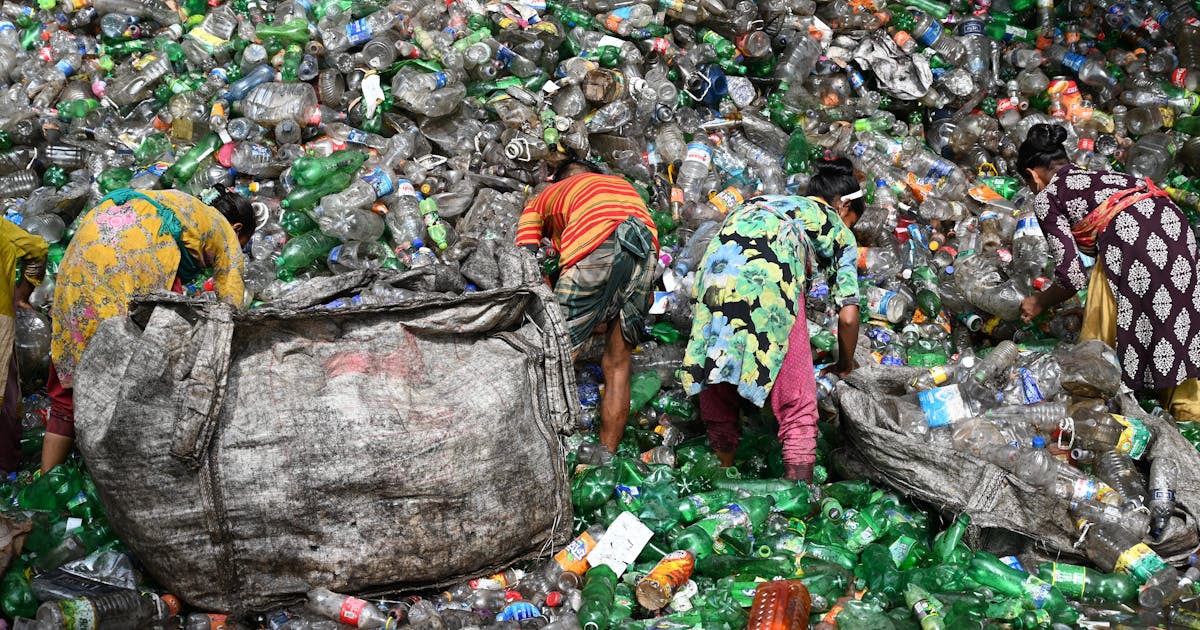
Plastic waste pyrolysis is the thermal decomposition of plastic in an oxygen-free environment, converting polymer chains back into shorter hydrocarbon molecules - primarily liquid oil, syngas, and solid char. It targets the 60-70% of plastic waste that mechanical recycling cannot process: multi-layer packaging, contaminated food containers, mixed resin bales, film wraps, and post-consumer plastics degraded beyond the point where re-pelletizing produces usable material. With global plastic production exceeding 400 million tonnes annually and recycling rates stuck below 9%, pyrolysis addresses the growing gap between what society discards and what conventional recycling can absorb.
Why Mechanical Recycling Falls Short
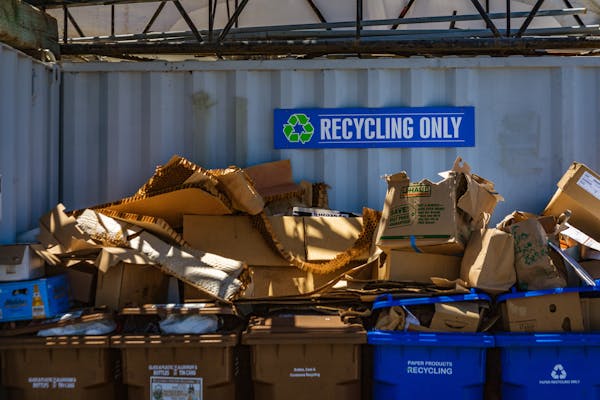
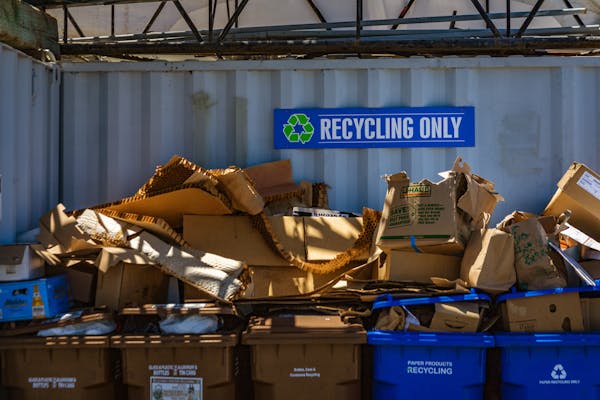
Mechanical recycling works well for clean, single-polymer streams: clear PET bottles, natural HDPE containers, and sorted PP packaging. These materials shred, wash, melt, and re-pelletize into usable resin. The problem is that most post-consumer plastic does not arrive in clean, sorted condition. A typical municipal recycling facility rejects 25-40% of incoming plastic as contaminated, mixed, or non-recyclable. Multi-material pouches (aluminum-plastic-paper laminates), black plastic that NIR sorters cannot detect, films that jam sorting machinery, and thermosets that cannot be re-melted all bypass mechanical recycling and end up in landfill or export markets.
The math is stark: of the 400+ million tonnes of plastic produced globally each year, roughly 36 million tonnes enter recycling streams and approximately 30 million tonnes actually become new products. The remaining 370 million tonnes accumulate in landfills, the environment, or incineration facilities. Plastic waste pyrolysis offers a pathway for the fraction that mechanical recycling has structurally failed to reach.
How Plastic Pyrolysis Works
The process begins with feedstock preparation. Incoming plastic waste is shredded to uniform particle size (typically 20-50mm), metals are removed magnetically, and moisture content is reduced below 10%. PVC-rich fractions are diverted because chlorine content above 2-3% in the reactor feed causes corrosion and contaminates the oil product - front-end sorting handles this automatically in well-designed systems.
Prepared feedstock enters a sealed reactor where radiant heat and vortex pyrocore technology raise temperatures to 400-550°C without oxygen. At these temperatures, long polymer chains crack into shorter molecules through thermal decomposition. The resulting vapor stream passes through a condensation train: heavier fractions condense first as wax, medium fractions condense as pyrolytic oil, and non-condensable light gases exit as syngas. The solid residue (char containing carbon black, inorganic fillers, and mineral ash) collects at the reactor base.
Output Yields by Feedstock Type
Yield profiles vary significantly with plastic composition:
- Polyolefin-rich feed (PE/PP dominant) - 70-80% liquid oil, 10-20% syngas, 5-10% char. This is the ideal feedstock: high oil yield, clean product, minimal residue
- Mixed post-consumer plastic - 50-65% oil, 20-30% syngas, 10-15% char. Lower oil yield reflects the diverse polymer mix and higher contamination
- General MSW residuals (plastic-rich fraction) - 40-50% syngas, 25-35% liquid fuel, 10-25% char. The broader waste composition shifts output toward gas. At these ratios, syngas-powered generation produces approximately 1.2 MW per tonne processed
The pyrolytic oil from polyolefin-dominant feeds is chemically similar to light crude oil distillates (a mix of C5-C30 hydrocarbons that functions as industrial heating fuel, marine fuel (meeting ISO 8217 specifications with minimal post-treatment), or feedstock for steam crackers that produce virgin-grade monomers. This last application) chemical recycling - closes the loop by turning waste plastic back into the ethylene and propylene used to manufacture new plastic.
Economics of Plastic-to-Fuel Conversion
The financial case for plastic waste pyrolysis rests on three revenue streams and one avoided cost:
- Pyrolytic oil sales - $300-$600 per tonne depending on quality and market. Chemical recycling-grade oil (suitable as naphtha substitute) commands premiums of $700-$1,000 per tonne from petrochemical buyers
- Syngas utilization - Powers the pyrolysis reactor (reducing operating costs by 40-60%) or generates electricity for export. Self-powering operations eliminate the largest variable cost
- Char sales - $50-$200 per tonne as construction fill or fuel supplement. High-carbon char from clean plastic feeds sells at $400-$800 per tonne as carbon black substitute
- Tipping fees (avoided cost) - Processors charge $30-$80 per tonne to accept plastic waste that generators would otherwise pay $80-$150 per tonne to landfill
A 100 TPD plastic pyrolysis facility requires $15-$25 million in capital expenditure and generates $8-$15 million in annual gross revenue at steady state. Operating costs run $20-$40 per tonne of input when the facility self-powers from syngas. Payback periods of 4-7 years are achievable with secured feedstock supply and off-take agreements for the oil product. Facilities operating within integrated waste management systems (where plastic-rich residuals arrive pre-sorted from an upstream MRF) achieve the lowest feedstock costs and most consistent input quality.
Environmental Performance
Plastic pyrolysis avoids the two worst environmental outcomes for waste plastic: landfill persistence (400-1,000 years for common polymers) and incineration emissions (burning one tonne of plastic releases approximately 2.7 tonnes of CO2 plus dioxins and furans from chlorine-containing polymers). Pyrolysis in sealed, oxygen-free reactors with thermal scrubbing systems produces no combustion emissions. The carbon in the plastic converts to fuel and char rather than atmospheric CO2 - and when that fuel displaces fossil crude extraction, the net carbon impact improves further.
Life cycle analyses show that pyrolysis of mixed plastic waste reduces greenhouse gas emissions by 50-70% compared to landfilling (accounting for avoided methane from co-disposed organics and avoided virgin fuel production) and by 30-50% compared to incineration with energy recovery. These figures underpin the carbon credit potential - an additional revenue stream that operators with waste-to-energy experience across 100+ global projects are positioned to monetize.
Scaling Plastic Pyrolysis
The technology is mature. Commercial plastic pyrolysis plants operate in Europe, Asia, and North America at scales from 10 TPD to 200 TPD. What limits scale is not reactor design but feedstock aggregation: assembling consistent volumes of plastic waste at a price that supports conversion economics. This is a logistics and intelligence problem. Operators need visibility into waste composition, volume availability, contamination levels, and transport costs across multiple supply sources.
AI-driven waste intelligence platforms solve this by monitoring feedstock quality in real time, predicting supply variations, and optimizing reactor parameters for changing input composition. When a bale of post-industrial PE arrives, the system adjusts temperature and residence time to maximize oil yield. When contaminated post-consumer mixed plastic feeds the reactor, parameters shift toward syngas optimization. This adaptive capability turns feedstock variability from a problem into a manageable operating parameter.
For waste operators, municipalities, and industrial generators sitting on plastic waste that recyclers refuse, pyrolysis converts a disposal liability into a fuel product with established markets. The starting point is understanding your plastic waste stream (volume, composition, contamination profile) and matching it against conversion economics. That assessment, paired with engineering from a team that has designed and operated thermal conversion systems for over three decades, determines whether plastic pyrolysis fits your operation.