US Waste-to-Energy Leaves Its District Heating Revenue in the Condenser
Waste-to-energy district heating barely exists in the US, and it isn't the climate. It's that the heat has no PPA a lender will finance against.
Read article →Optimal Waste Intelligence · Archive
Previously published OWI analysis. Use the navigation below to move between pages.

Waste-to-energy district heating barely exists in the US, and it isn't the climate. It's that the heat has no PPA a lender will finance against.
Read article →
A landfill diversion rate is a fraction with two places to lie. How ADC, weight loading, and residual boundaries inflate it, and how to audit it back down.
Read article →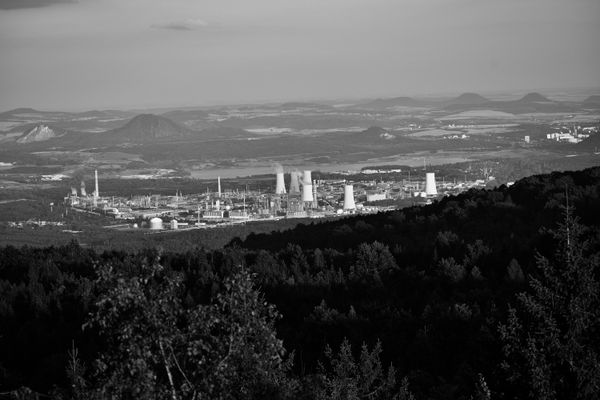
Most buyers vet waste-to-energy plant manufacturers on technology. After three commissionings, I vet the availability guarantee and the reference plant instead.
Read article →
Most end-of-life solar panels still hit the landfill as ordinary trash. New Jersey, Texas and North Carolina's 2026 rules change who pays to recycle them.
Read article →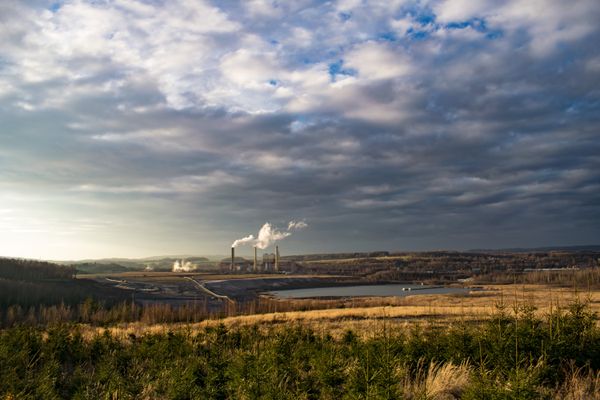
The scrubber strips acid gas; activated carbon and the baghouse catch waste to energy dioxins. What modern flue gas treatment really removes, myth by myth.
Read article →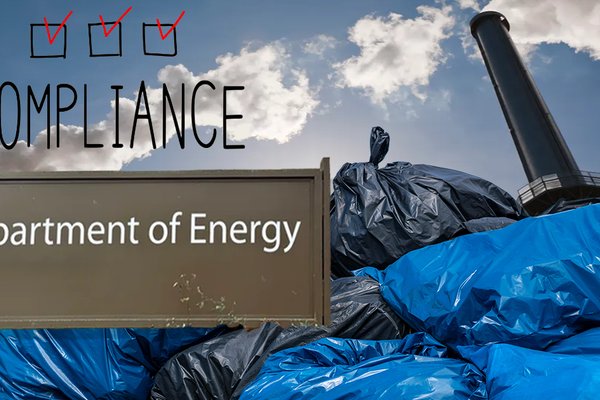
The large municipal waste combustor rule covers 152 units but sets no compliance date. Your state plan does, and if the state misses, EPA writes it instead.
Read article →
The clean electricity tax credit turns on a zero-emissions line, not on whether waste is renewable. What 45Y and 48E actually cover for waste in 2026.
Read article →
SB 1383 compliance isn't the green cart. The costly half is the procurement buy-back most California cities never budgeted, and penalties are now live.
Read article →
Waste-to-energy ash disposal is a quarter of the input mass, and most US plants still landfill it. Bottom ash reuse and fly ash treatment decide the pro forma.
Read article →
Rhode Island froze a fully permitted $150M plant. The real sludge pyrolysis permitting risk was a control efficiency nobody could actually measure.
Read article →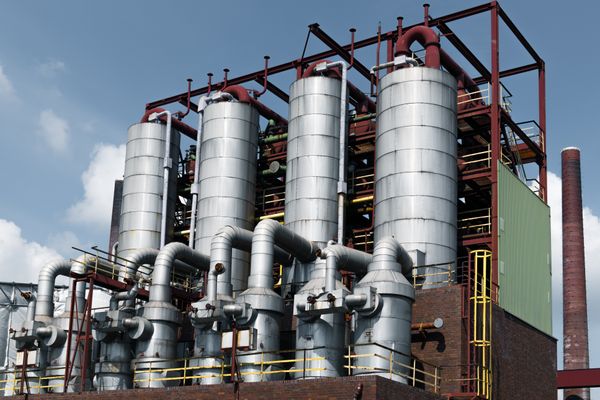
Waste to biofuels pro formas model D3 RIN upside the Clean Air Act won't allow. The cellulosic waiver credit caps it, and the cap moves with gasoline.
Read article →
EPA's biosolids PFAS guidance is non-binding, which is exactly why it will shrink land application acreage before any Part 503 rulemaking arrives.
Read article →