What Landfill Alternatives Cost Per Ton Depends on Which Landfill You're Not Using
The $62.28 national tipping fee decides nothing. What landfill alternatives cost per ton in your region, and the five claims that cost buyers money.
Read article →Author Profile
Markets, Economics & Trade. Infrastructure project finance and commodities specialist. Covers waste-to-energy economics, carbon markets, alternative-fuel trade flows, and any topic where price signals or supply chains drive the decision. Published by Renewable Waste Energy.
The $62.28 national tipping fee decides nothing. What landfill alternatives cost per ton in your region, and the five claims that cost buyers money.
Read article →
Sewage sludge to energy projects fail at the dryer and the feedstock contract long before the pyrolysis reactor. What to check as PFAS closes farm outlets.
Read article →
The 45Z clean fuel production credit prices carbon intensity at two cents a kilogram. That arithmetic pays manure and nearly ignores landfill gas.
Read article →
Sustainable waste disposal gets claimed often and audited rarely. Grade landfill diversion, recycling and waste-to-energy by the tonne, not the brochure.
Read article →
Recycled commodity prices climbed in 2026, but the rebound is a divergence, and MRF economics now reward whoever owns the pellet, not the bale.
Read article →
Waste-to-energy district heating barely exists in the US, and it isn't the climate. It's that the heat has no PPA a lender will finance against.
Read article →
Most end-of-life solar panels still hit the landfill as ordinary trash. New Jersey, Texas and North Carolina's 2026 rules change who pays to recycle them.
Read article →
The clean electricity tax credit turns on a zero-emissions line, not on whether waste is renewable. What 45Y and 48E actually cover for waste in 2026.
Read article →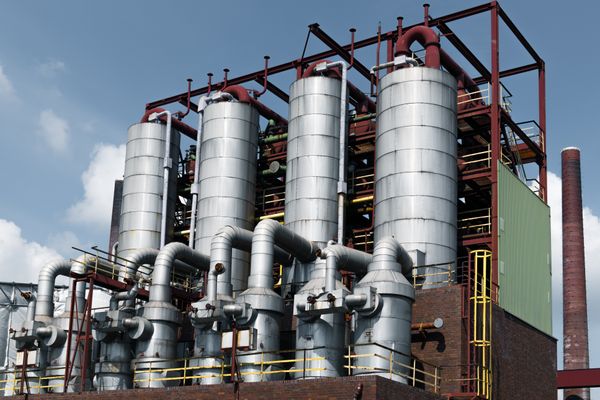
Waste to biofuels pro formas model D3 RIN upside the Clean Air Act won't allow. The cellulosic waiver credit caps it, and the cap moves with gasoline.
Read article →
Waste-to-energy REC eligibility died in Maryland's Tier 1 by statute, not economics. Why the REC was never an asset, and what to underwrite instead.
Read article →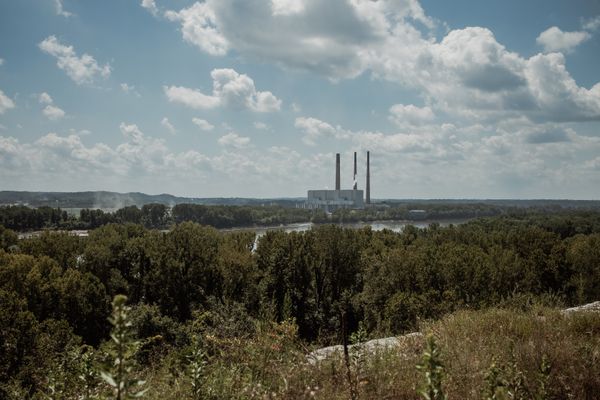
Textile waste to energy looks easy: clothing burns hotter than MSW. The energy was never the problem. The bale, the chlorine, and the broken sort are.
Read article →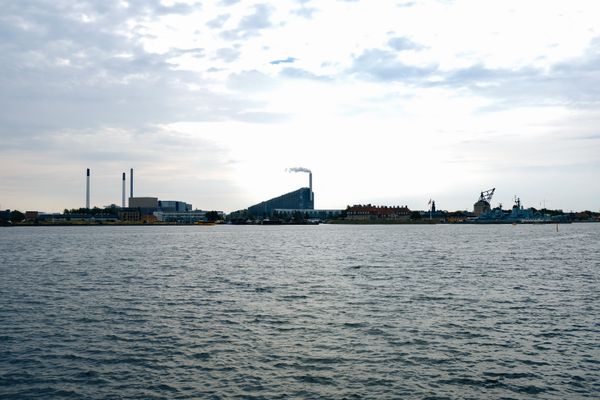
Carbon capture energy from waste pencils at Encyclis Protos because of the HyNet cluster and a state contract, not cheaper capture. Here's the retrofit math.
Read article →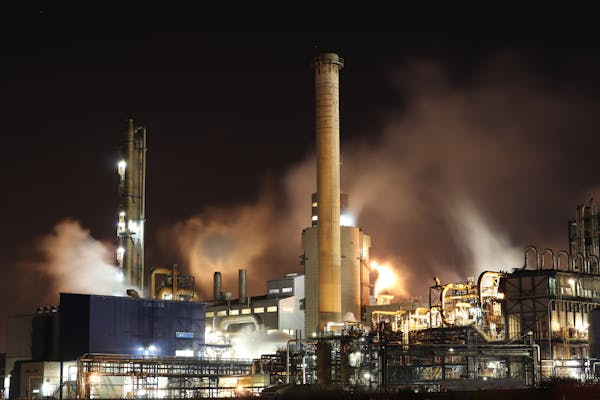
The Viridor Quantafuel shutdown wasn't a tech failure - Skive hit 75% yield. Plastics-to-liquids pyrolysis economics broke on capital structure, not policy.
Read article →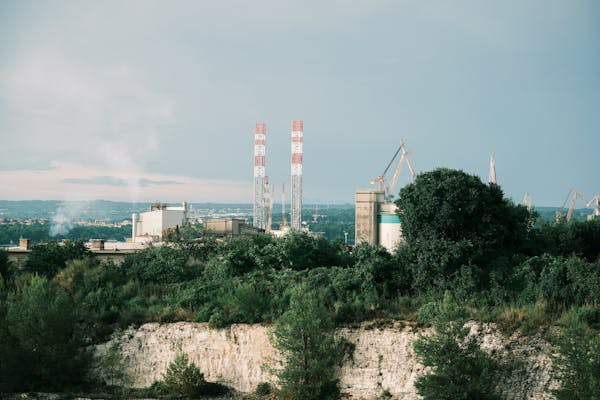
Carbon capture waste to energy economics hinge on the biogenic share, not the kWh. Why most WTE+CCS pro formas overstate by year three.
Read article →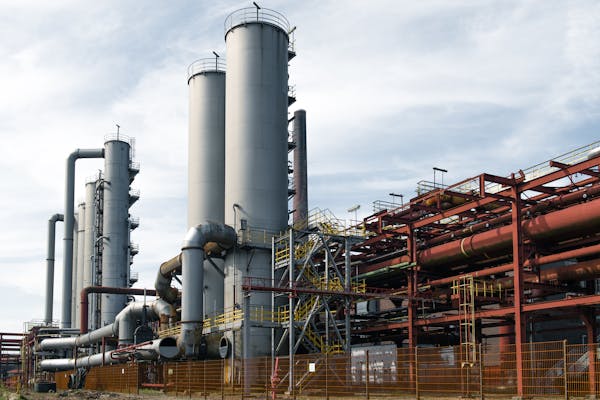
Waste to hydrogen via pyrolysis clears around $5.30/kg - far behind turquoise H2. Why the co-product and gate fee, not the hydrogen, decide if it finances.
Read article →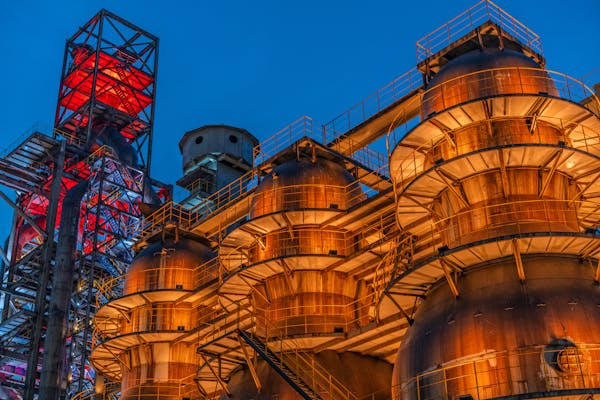
Food waste to energy comes down to moisture and money: why anaerobic digestion beats pyrolysis on wet feedstock, and where the revenue actually sits.
Read article →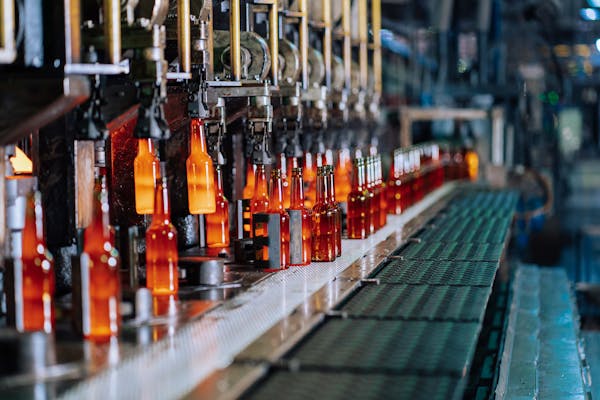
Q1 2026 tire pyrolysis oil priced at $656/MT in Germany - until Brent crude hit $126. What an oil shock did to the cement-kiln alt-fuel math.
Read article →
WTE market trends for 2026: AI integration, modular deployment, carbon credit monetization, and regional growth dynamics shaping the $50B industry.
Read article →