Zero Waste to Landfill Certification Isn't Zero, and It Isn't Regulated
Zero waste to landfill certification isn't zero and isn't federal law. What UL 2799 and TRUE actually require, and five beliefs that collapse under diligence.
Read article →Author Profile
Policy & Regulatory Affairs. Former environmental program manager advising waste-to-energy developers on permitting, ESG compliance, and regulatory strategy. Published by Renewable Waste Energy.

Zero waste to landfill certification isn't zero and isn't federal law. What UL 2799 and TRUE actually require, and five beliefs that collapse under diligence.
Read article →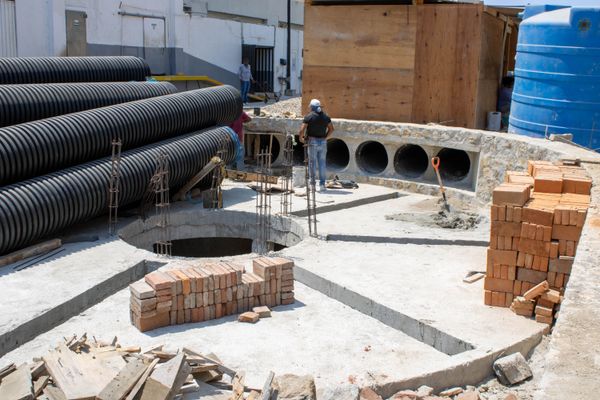
A waste audit reads like a sustainability chore. It's really the document your permit renewal and diversion capex get sized against, and rarely re-checked.
Read article →
The SB 54 lawsuit asks a court to freeze California's packaging EPR law. What an injunction would stop, what it wouldn't, and the fee claim that matters.
Read article →
Product stewardship laws for mattress, carpet, and paint have a 15-year record. Who really pays, what gets recycled, and why packaging EPR copies it wrong.
Read article →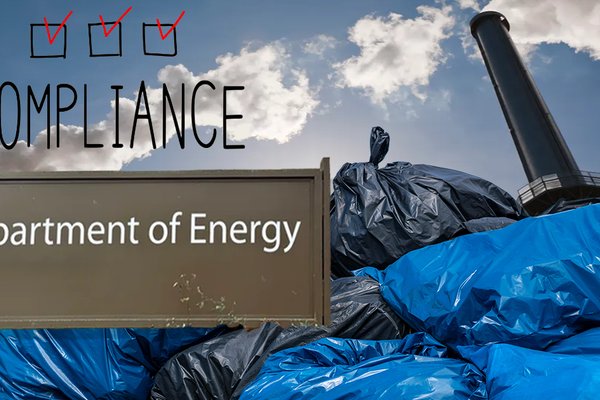
The large municipal waste combustor rule covers 152 units but sets no compliance date. Your state plan does, and if the state misses, EPA writes it instead.
Read article →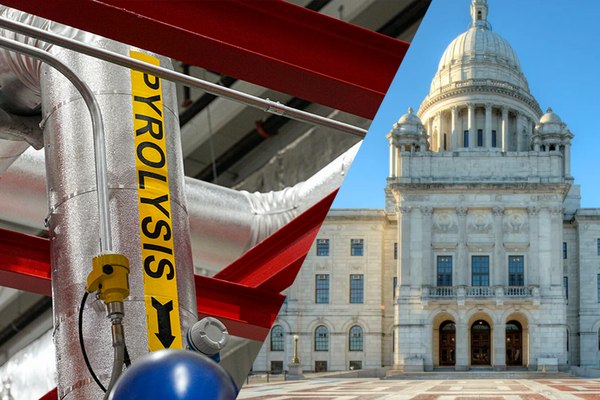
Rhode Island froze a fully permitted $150M plant. The real sludge pyrolysis permitting risk was a control efficiency nobody could actually measure.
Read article →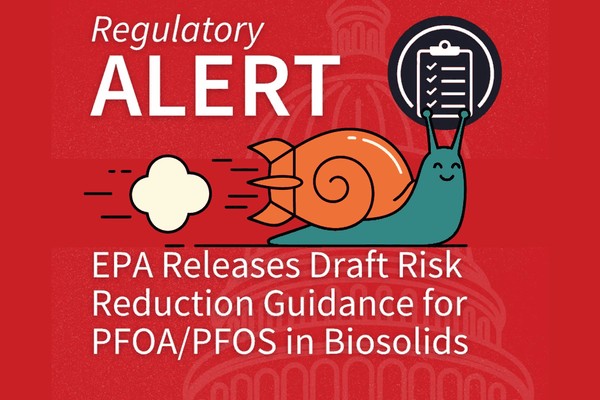
EPA's biosolids PFAS guidance is non-binding, which is exactly why it will shrink land application acreage before any Part 503 rulemaking arrives.
Read article →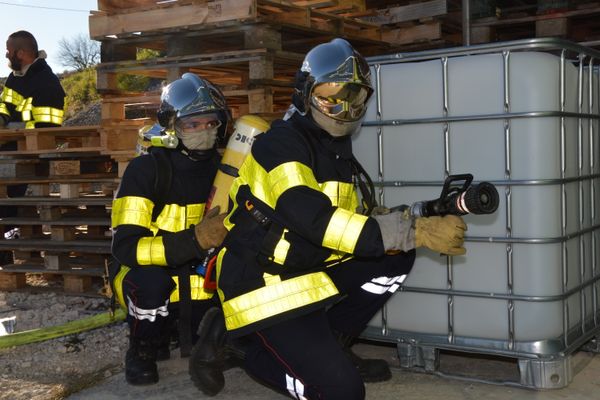
EPA's June 2026 rule adds hydrogen fluoride and cyanide limits to hazardous waste treatment permits. The kiln will hit its numbers. The monitoring plan won't.
Read article →
California textile EPR hit its July 2026 registration deadline, but nothing's collected until 2031 and the blended, PFAS-laden residual has no recycler.
Read article →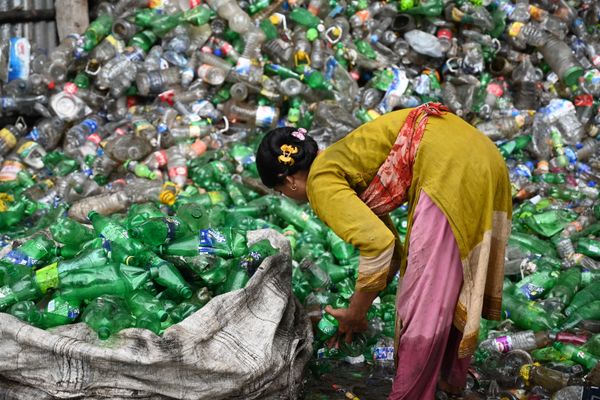
The 2026 packaging EPR fee schedule charges 11 to 179 cents a pound by format, not weight. How the invoice is computed, and why your reported data sets it.
Read article →
NJ producer reporting opened Jan 8; California's SB 1215 fee started Jan 1. Which 2026 lithium battery EPR laws bind producers, and which hit waste handlers?
Read article →
EU ETS waste incineration inclusion could add EUR 74-132 per tonne to gate fees by 2030. The biogenic share you can't defend is what sets your bill.
Read article →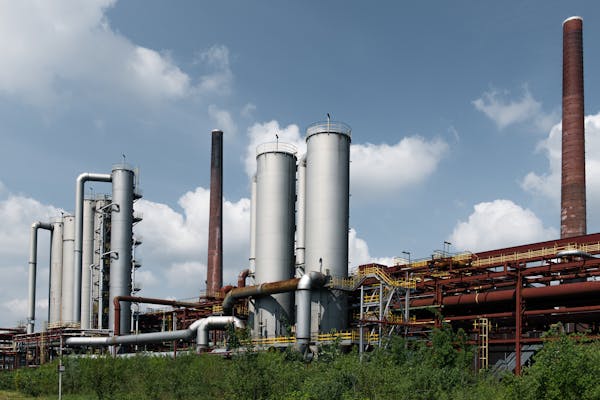
EPA's March 2026 final rule on waste-to-energy regulations: 152 units, 57 facilities, 0M retrofits. The real compliance window is 18 to 24 months, not five years.
Read article →
EPA's April 2026 PFAS guidance recognizes thermal destruction above 1,100°C, a temperature most municipal waste combustors miss. What operators must verify.
Read article →
Directive 2026/470 cut CSRD datapoints 61%. For waste-to-energy operators, the simplification removes guardrails Article 9 lenders still demand.
Read article →
Inside ESG due diligence on waste-to-energy projects: five claims that fail verification under EU Taxonomy, IFC Performance Standards, and Article 9 funds.
Read article →
How waste-to-energy and circular economy strategies help companies meet ESG reporting requirements, reduce Scope 1-3 emissions, and demonstrate environmental compliance.
Read article →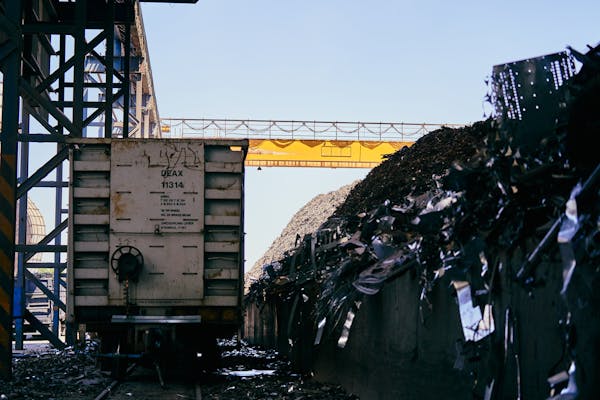
Why waste-to-energy and recycling work together, not against each other. How integrated resource recovery achieves near-zero landfill dependence.
Read article →
How companies achieve zero waste to landfill through integrated sorting, pyrolysis conversion, and closed-loop systems that eliminate disposal entirely.
Read article →