Zero Waste to Landfill: Achieving 100% Diversion
Zero waste to landfill is not an aspiration (it is an engineering specification. Facilities that achieve it route 100% of incoming material to productive endpoints: recycled commodities, recovered energy, or marketable byproducts. Nothing gets buried. The distinction between "low landfill" and true zero waste to landfill lies in system design) specifically, whether the facility architecture accounts for every fraction of the waste stream, including the residuals that conventional recycling rejects.
What Zero Waste to Landfill Actually Requires
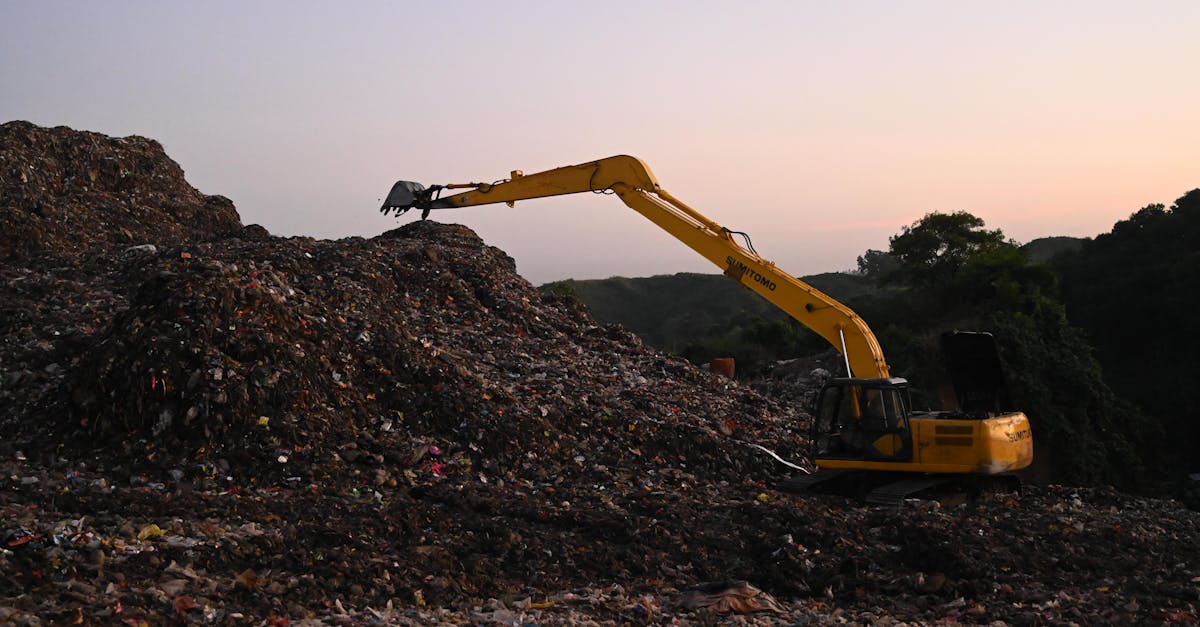
A facility claiming 90% landfill diversion still sends 10% of throughput to burial. For a plant processing 1,000 tonnes per day, that is 100 tonnes daily - 36,500 tonnes per year of material generating methane, leachate, and long-term monitoring obligations. Zero waste to landfill eliminates that residual entirely.
Achieving this requires three integrated capabilities operating in sequence:
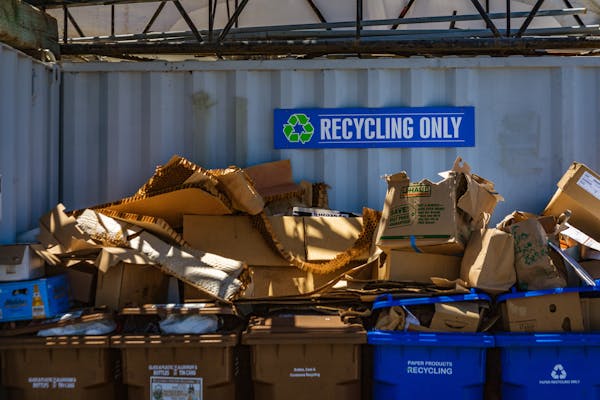
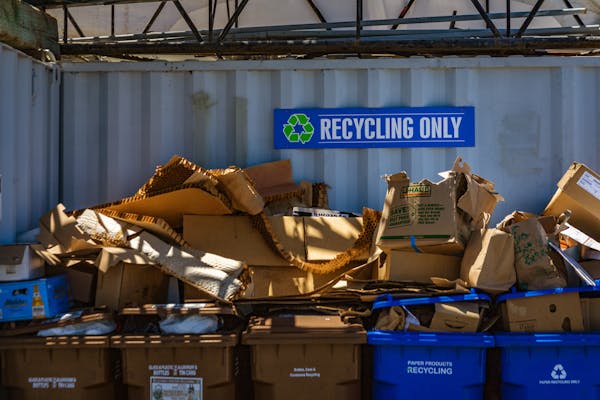
- Maximum material recovery upstream - Negative sort systems, trommel filtration, optical sorting, magnetic and eddy current separators extract every recyclable and recoverable fraction before thermal processing begins. Best-in-class pre-processing captures 15-25% of incoming mass as recyclable commodities
- Complete thermal conversion of residuals - Everything that cannot be mechanically recycled enters pyrolysis reactors where it converts to syngas (40-50%), pyrolytic liquid fuel (25-35%), and carbon-rich char (10-25%). No ash fraction requires landfilling
- Byproduct markets for all outputs - Each conversion product must have an end market. Syngas generates electricity. Liquid fuel substitutes for petroleum in industrial applications. Char serves as activated carbon, soil amendment, or construction aggregate
The Engineering Behind 100% Diversion
Traditional waste-to-energy plants using mass-burn incineration cannot achieve true zero landfill because combustion produces bottom ash (15-25% of input mass) and fly ash, both requiring disposal. Fly ash is often classified as hazardous waste.
Waste-to-energy technology based on pyrolysis eliminates this problem. In oxygen-limited thermal conversion, organic material decomposes rather than burns. The solid residue (carbon-rich char) is a product, not a waste. Its properties depend on feedstock composition and process temperature, but properly characterized char meets specifications for multiple commercial applications.
Renewable Waste Energy has demonstrated this closed-loop model across 100+ global projects spanning three decades. Their systems combine radiant heat, thermal scrubbing, and vortex pyrocore technology to maintain the precise conditions required for complete conversion without generating disposal-bound residuals.
How Companies Are Implementing Zero Landfill Programs
Municipal Waste Operations
Cities facing landfill capacity constraints are implementing phased zero-landfill strategies. The typical approach starts with enhanced sorting infrastructure to maximize recyclable recovery, then adds thermal conversion capacity for the residual fraction. Modular systems scaling from 50 to 5,000+ tonnes per day allow municipalities to match processing capacity to actual waste generation rather than over-building upfront.
Industrial and Manufacturing Facilities
Manufacturers pursuing zero-waste-to-landfill certification (UL 2799 or equivalent) must document that less than 1% of total waste leaves the site for landfill disposal. For many industrial operations, the final percentage point is the hardest - mixed plastics, contaminated materials, and process residues that recyclers reject. On-site or regional pyrolysis capacity handles these difficult fractions, closing the gap between 95% diversion and true zero.
Legacy Waste and Remediation
Some of the most compelling zero-landfill applications involve legacy waste - millions of tonnes of industrial residues, contaminated soils, and historic disposal site materials. When combined with approved mixed feedstocks to optimize BTU content, these materials become viable conversion feedstock. The result transforms a remediation cost into a revenue-generating operation while restoring contaminated land.
Measuring and Verifying Zero Landfill
Claims of zero waste to landfill require rigorous documentation. Verification protocols track material from intake through every processing stage to final disposition. Mass balance accounting confirms that input tonnage equals the sum of recycled commodities, energy products, conversion byproducts, and atmospheric emissions (within measurement tolerance).
AI-driven monitoring systems automate this tracking. Real-time dashboards report throughput, conversion rates, output quality, and diversion metrics continuously - providing the audit trail that ESG auditors, regulators, and zero-waste-to-landfill certification programs require.
The Economic Case
Zero waste to landfill generates value where conventional disposal generates only cost. A diversified facility earns revenue from five streams simultaneously: tipping fees, electricity sales, fuel sales, recovered commodity sales, and environmental credits. As landfill tipping fees rise (exceeding $100/tonne in many regions) and carbon credit markets mature, the economics increasingly favor complete diversion over partial recycling plus landfilling.
The operational discipline required for zero landfill also reduces long-term liability. No landfill means no post-closure monitoring obligations, no leachate management, and no methane capture requirements. For organizations with ESG commitments, demonstrating zero landfill is a measurable, verifiable milestone that strengthens reporting credibility.